Notes from South 2008
Jonathan Shanklin's visit to Rothera in 2008
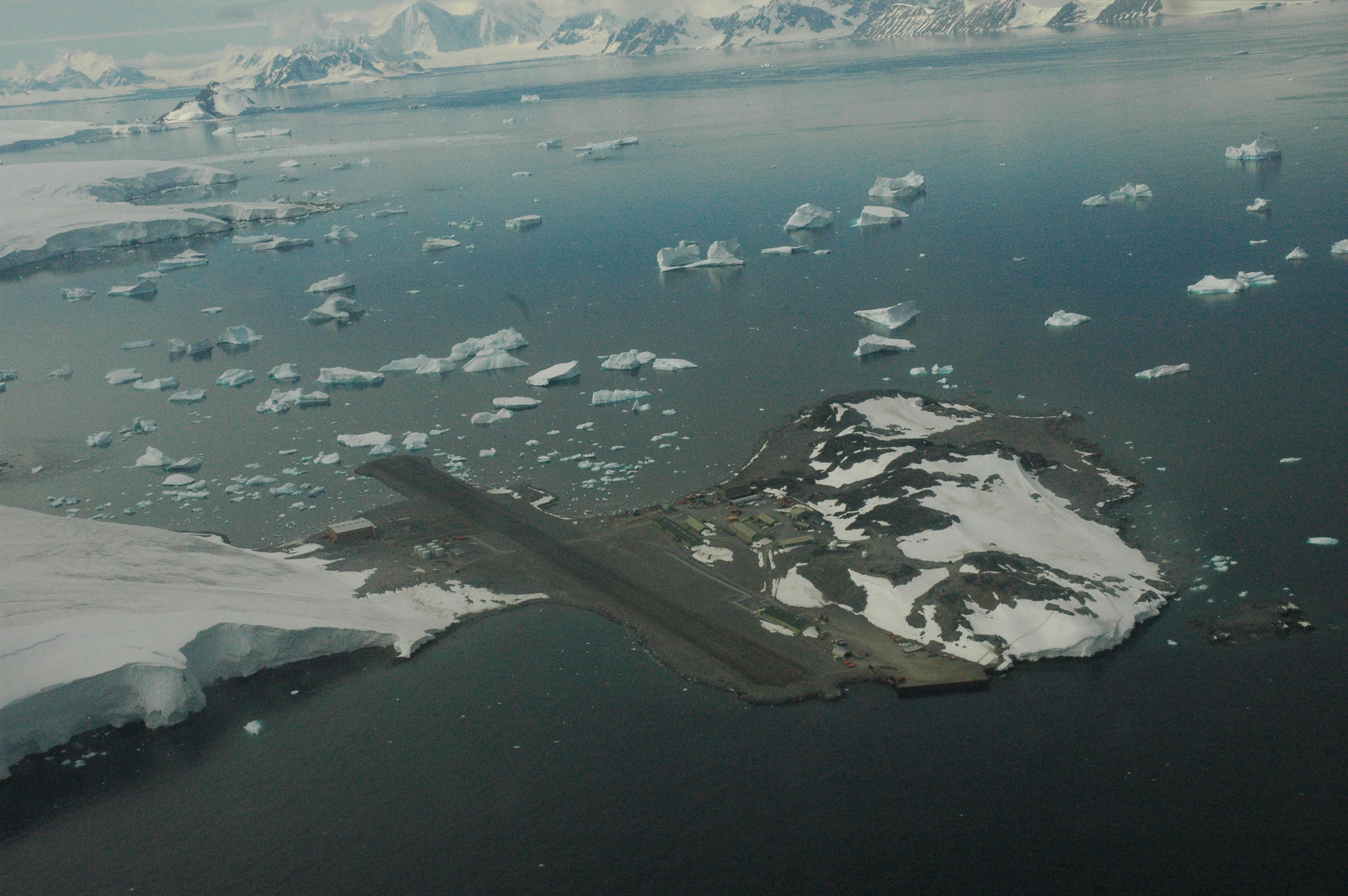 For this trip my destination was Rothera, on Adelaide Island near
the base of the Antarctic Peninsula. Here I was to do calibration
work on a new instrument that measures volcanic dust in the atmosphere, to help
with routine meteorological observations and to act as co-ordinator for the
physical sciences work at the station. The station is built at the edge of
a rocky bluff, which is surrounded by boulder strewn raised beaches, and
separated from a glacier by our 900m gravel runway.
For this trip my destination was Rothera, on Adelaide Island near
the base of the Antarctic Peninsula. Here I was to do calibration
work on a new instrument that measures volcanic dust in the atmosphere, to help
with routine meteorological observations and to act as co-ordinator for the
physical sciences work at the station. The station is built at the edge of
a rocky bluff, which is surrounded by boulder strewn raised beaches, and
separated from a glacier by our 900m gravel runway.
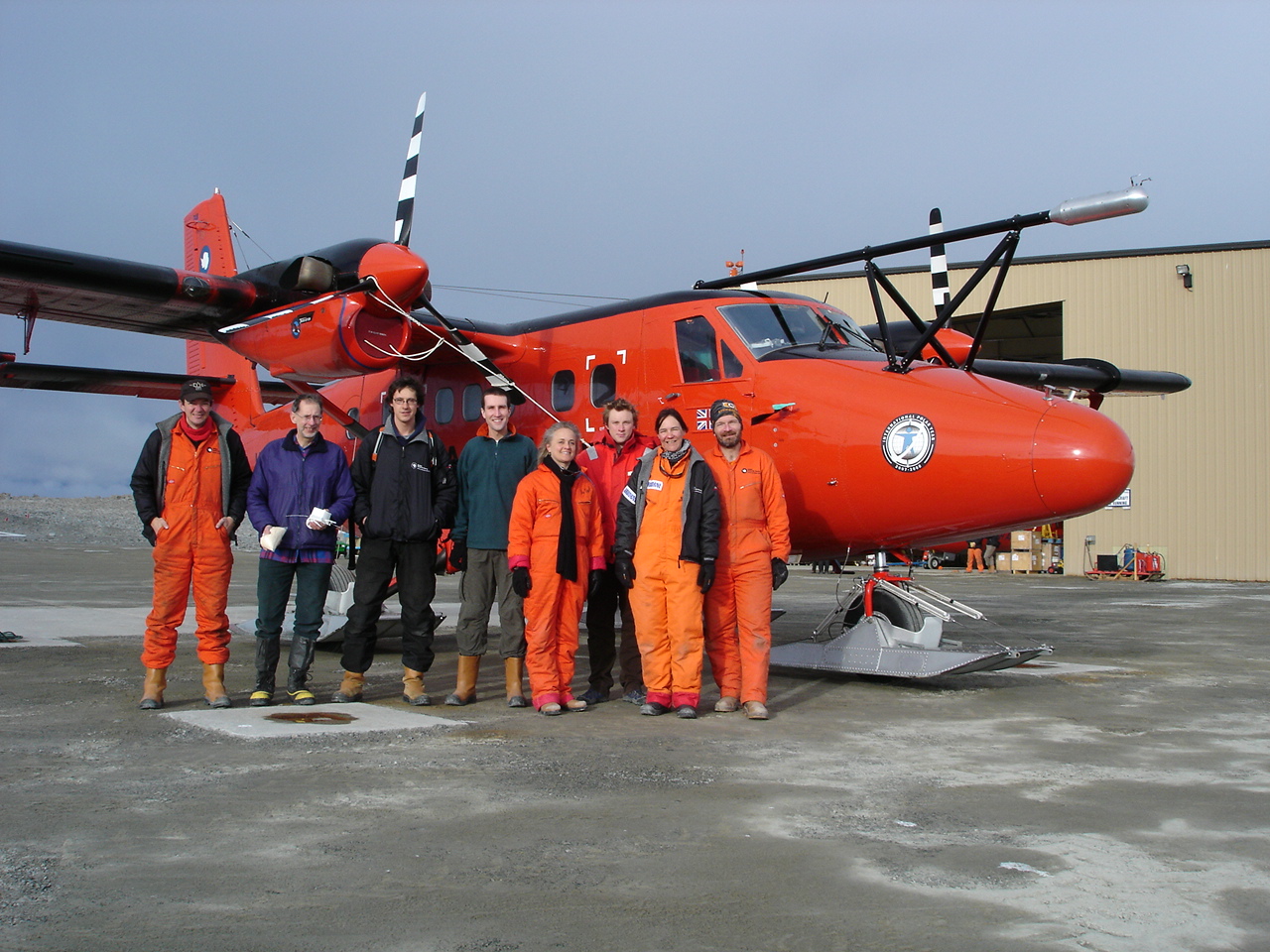
I left Cambridge for Heathrow with three other BAS staff in a small bus on the morning of January 9th. The roads were fairly quite and we quickly proceeded through check-in for our Iberia/LAN flight to Madrid, then on to Santiago and Punta Arenas. We were joined at Heathrow by a team from ITN who were going to make some live broadcasts from Rothera. On boarding the plane at Madrid, two of my colleagues were stopped at the boarding-desk, and I was most jealous that they had been bumped up to business class. Accommodation in tourist class was very cramped, however the long flight went smoothly enough. After a wait at Santiago, we continued on another plane to Punta, where we were met by the BAS agent who took us on to a recently completed hotel near the sea-shore. The contrast between the gloom of the English winter and the bright skies of the southern summer was considerable. In the morning we were taken back to the airport and boarded the BAS Dash 7 for the 5-hour flight on to Rothera. Most of the flight was across sea, but as we approached Rothera there were glimpses of the Antarctic mountains. Touch down was mid afternoon on January 11th, a journey of over 15,000km.
On arrival we
were given a quick briefing, before being allowed to find our rooms and start
settling in. I have a room in the new en-suite accommodation in
"Admirals House" (named after a former dog-team), which I share with
Drew Cook, who is one of the field assistants who help look after scientists
when they are travelling at remote Antarctic sites. The next day started
with refresher training in various aspects of Antarctic life, and after lunch I
took some of the ITN team around the meteorological equipment at
 Rothera.
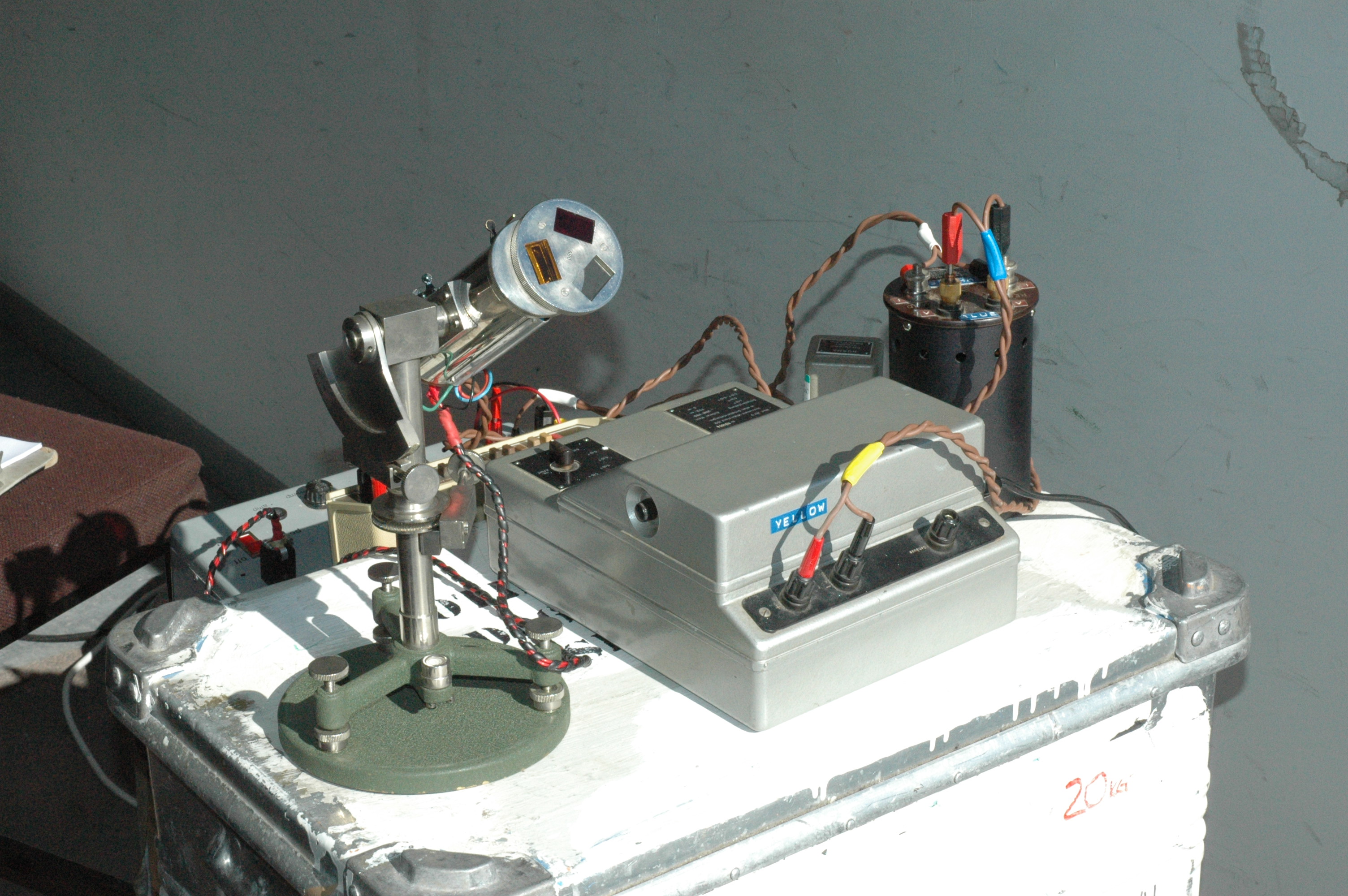
The next couple of days went very quickly, and on Monday afternoon cloud cleared
to give crystal clear skies - just what I needed for the calibration of the new
instrument. The old device
Rothera.
The next couple of days went very quickly, and on Monday afternoon cloud cleared
to give crystal clear skies - just what I needed for the calibration of the new
instrument. The old device
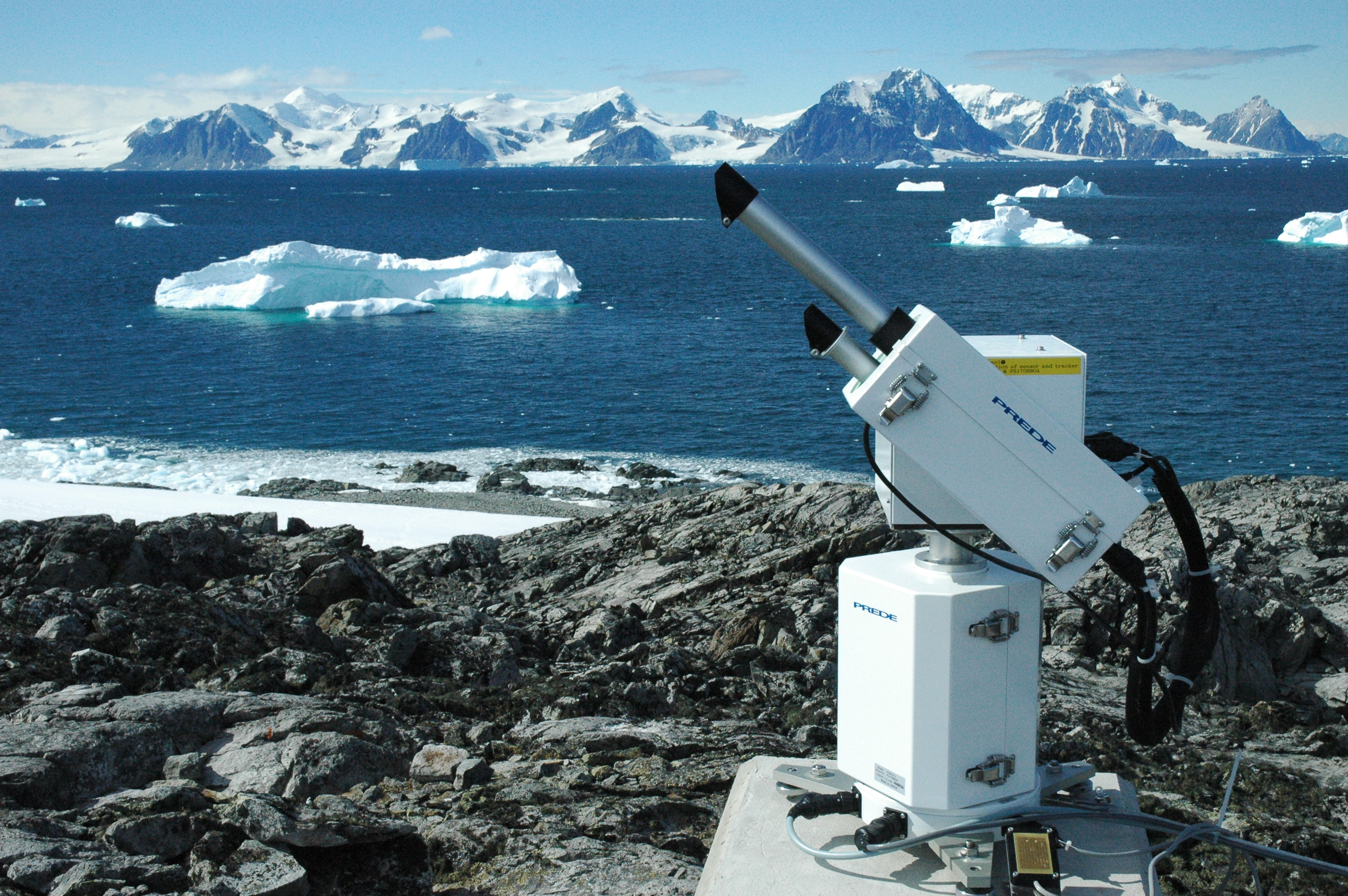 requires intensive manual operation, with each
observation taking some 20 minutes. Over the next couple of days I logged
16 observations! On Wednesday the ITN crew filmed me in an interview with
Bill Neely, though in the end the broadcast was delayed until the Friday evening
news, thanks to the plane crash at Heathrow. Towards the end of the trip I
had more interviews, when HMS Endurance brought in a BBC radio team.
requires intensive manual operation, with each
observation taking some 20 minutes. Over the next couple of days I logged
16 observations! On Wednesday the ITN crew filmed me in an interview with
Bill Neely, though in the end the broadcast was delayed until the Friday evening
news, thanks to the plane crash at Heathrow. Towards the end of the trip I
had more interviews, when HMS Endurance brought in a BBC radio team.
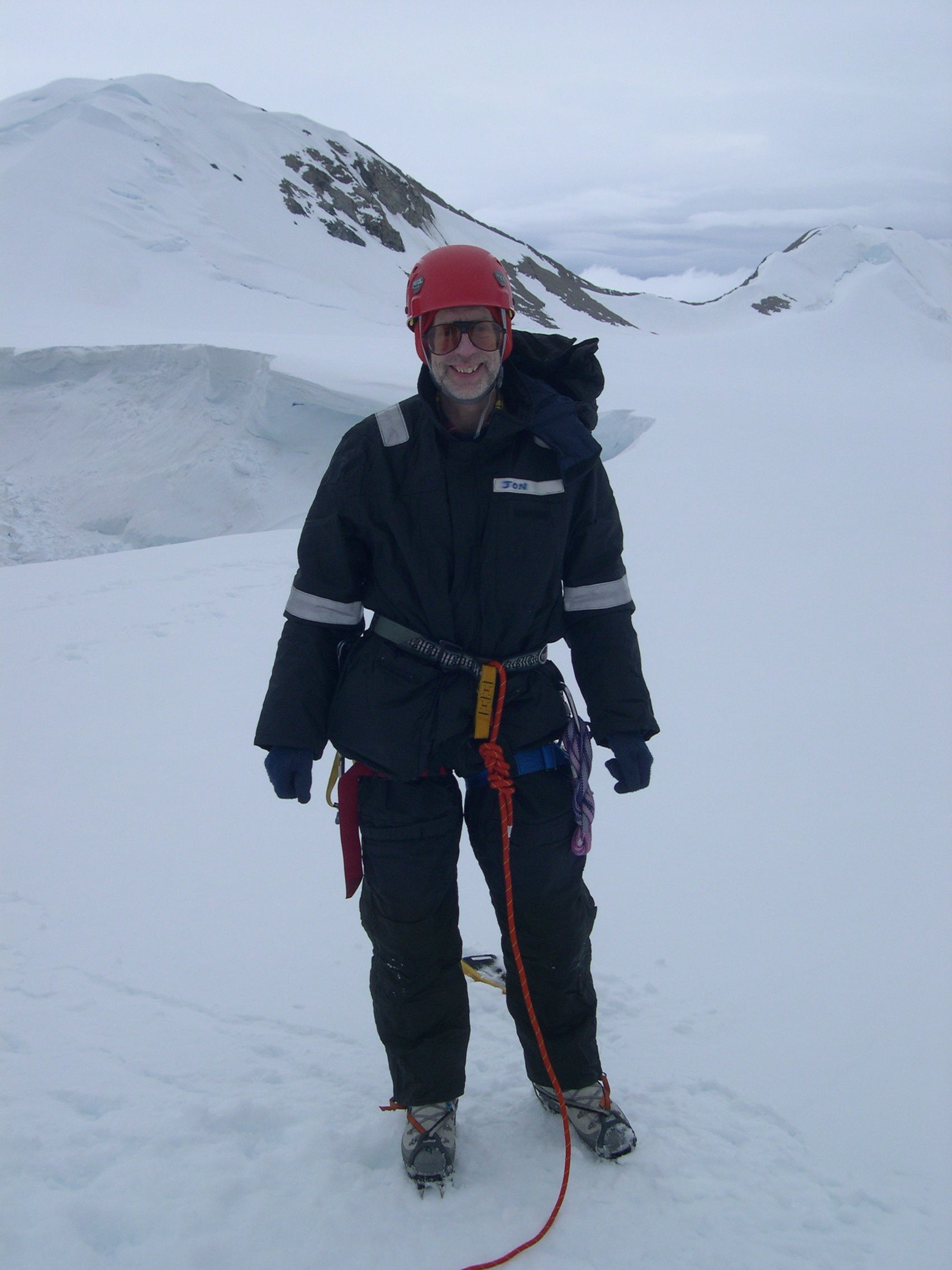 In order to
travel off station I needed to undergo training in field techniques, so on
Thursday Drew took me through the theory of how to light a primus and tilley
lamp, how to erect a tent and how to abseil and jummar. After lunch I had
to do a live interview for Anglia TV, but then it was up to "Jim's Buttress"
to put the theory into practice in a simulated crevasse rescue. We took a
skidoo up "the ramp" (essentially the base of a small glacier that
comes down near the runway) and along a traverse to a nearby nunatak. Drew
checked out the wind-scoop that we were going to use to practice abseiling and
then "rescuing" a rucksack that we threw down on a rope. It
wasn't a very steep drop, and I could have probably have skied down it! After watching Drew demonstrate how to do the exercise, I had a go, and
successfully rescued the rucksack.
In order to
travel off station I needed to undergo training in field techniques, so on
Thursday Drew took me through the theory of how to light a primus and tilley
lamp, how to erect a tent and how to abseil and jummar. After lunch I had
to do a live interview for Anglia TV, but then it was up to "Jim's Buttress"
to put the theory into practice in a simulated crevasse rescue. We took a
skidoo up "the ramp" (essentially the base of a small glacier that
comes down near the runway) and along a traverse to a nearby nunatak. Drew
checked out the wind-scoop that we were going to use to practice abseiling and
then "rescuing" a rucksack that we threw down on a rope. It
wasn't a very steep drop, and I could have probably have skied down it! After watching Drew demonstrate how to do the exercise, I had a go, and
successfully rescued the rucksack.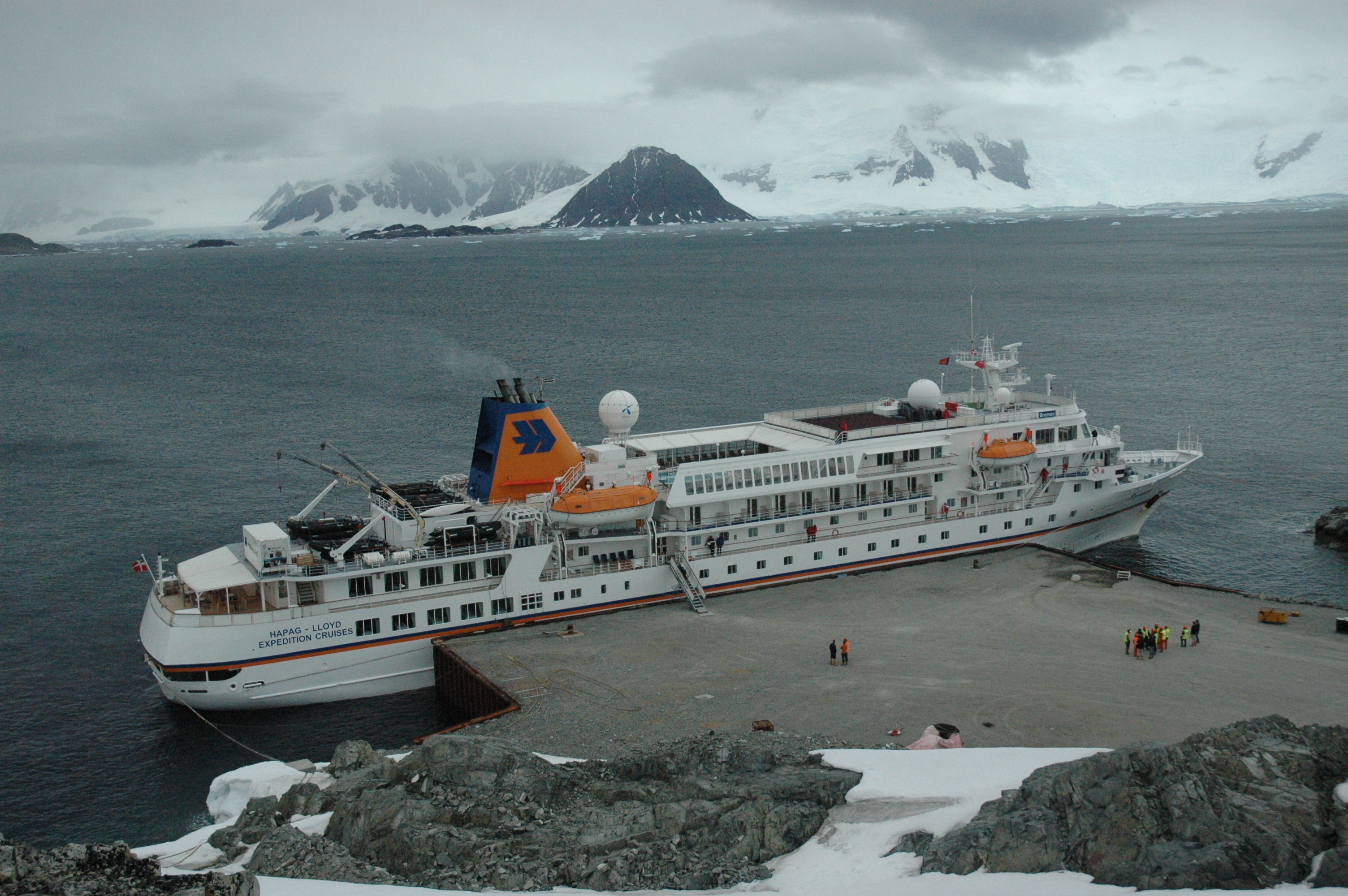
Tourist visits here are relatively infrequent, but on January 18th we had a call from the MS Bremen, with 143 passengers on board, they were given tours round the station, and I gave a short talks about climate and the ozone hole to six groups. We've had several other ships visit, including the American research ship the Laurence M Gould, a French yacht, the Golden Fleece and the navy ice patrol vessel HMS Endurance. In addition to our own planes (the Dash 7 and four Twin Otters) we've had quite a lot of aircraft passing through: two Lynx helicopters from HMS Endurance, two Basler aircraft (one on a medivac from the German Neumeyer station to Punta Arenas) and seven Twin Otters from Ken Borek (who support several operators in Antarctica, including ALE and the US NSF at McMurdo). At one point we had ten aircraft at the station.
 There is not
much in the way of plant life here but I did find seven tufts of
Deschampsia antarctica
There is not
much in the way of plant life here but I did find seven tufts of
Deschampsia antarctica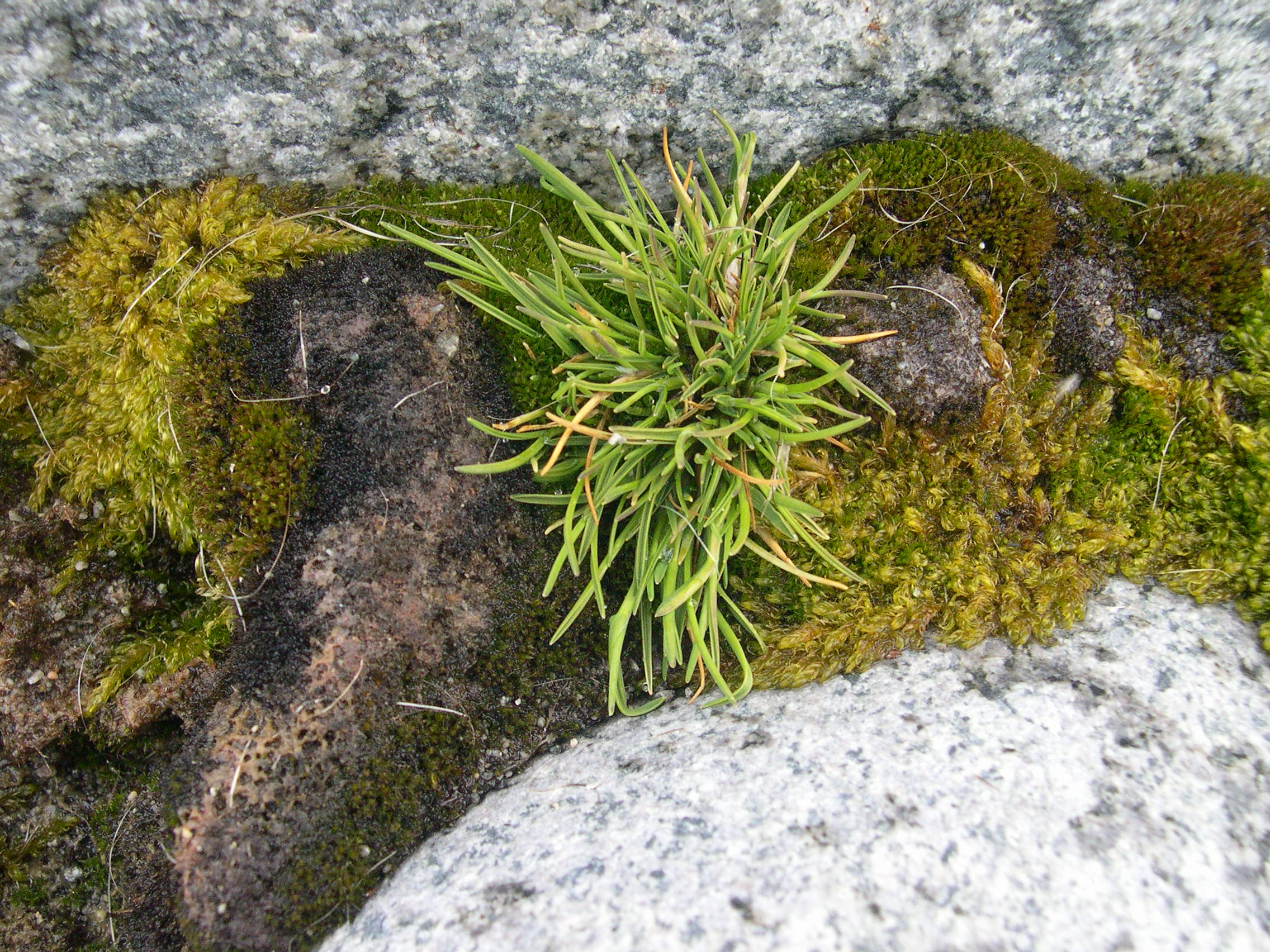 (Antarctic
hair-grass), which is a record for Rothera! There are thin patches of
moss, often desiccated and brown, but in sheltered gullies reasonably
green. There are lichens on the rocks and some of these are shown at the
bottom of my page on Rothera
plants, which is still very much in draft.
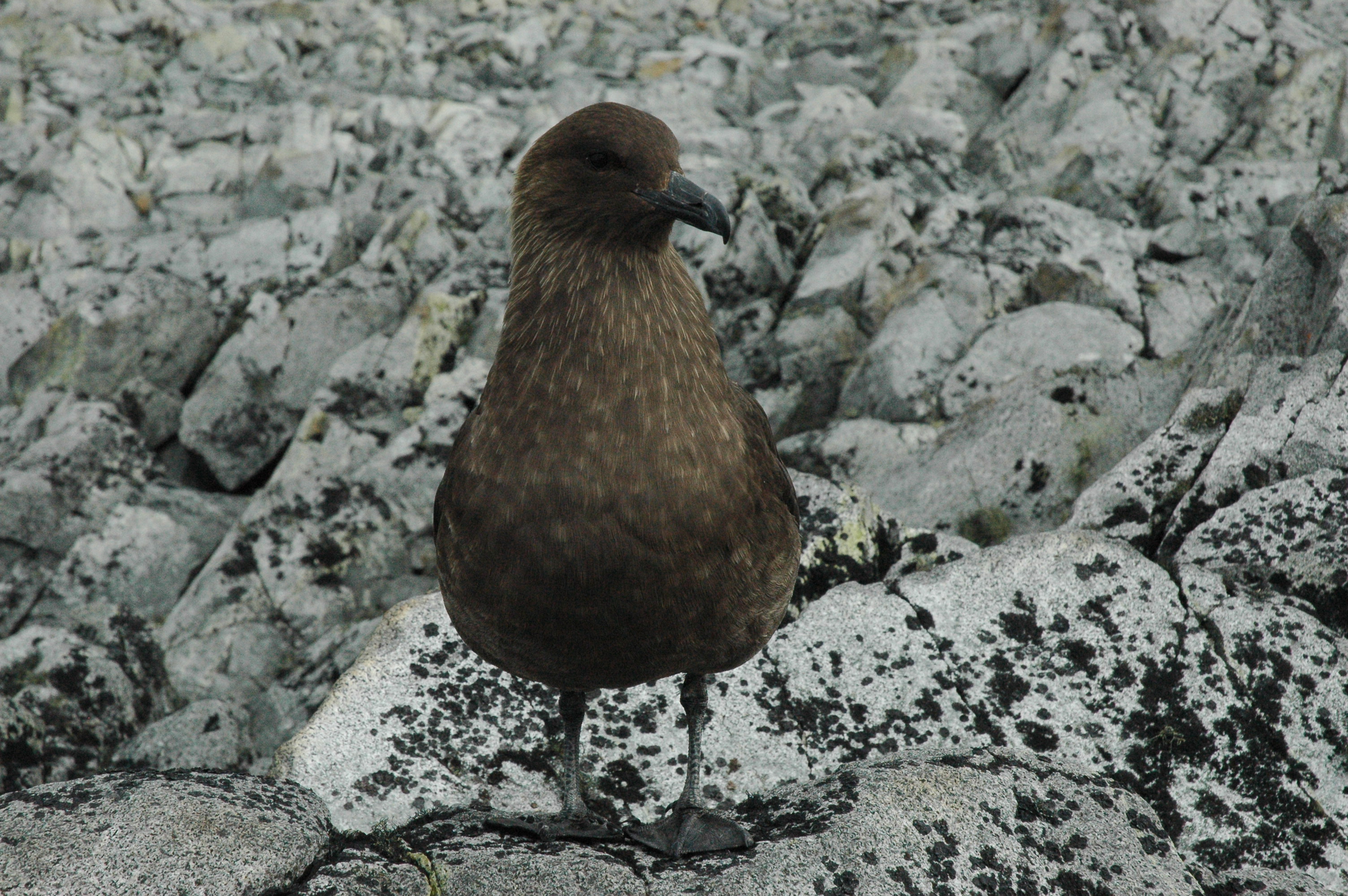
On land there are lots of skuas and a few Dominican gulls. A few of the
skuas are nesting, but for several weeks over 100 decided to congregate around one end of the
runway. Blue-eyed shags are seen frequently, mostly feeding near the
shore. A few seals and penguins come ashore, and the penguins can be quite
inquisitive. We saw
several whales as we flew in, and more sightings from the station, mostly of minke
whales, though one day we had a pod of orcas. In mid February the juvenile
fur seals began to arrive, which made walks round the point a little more
hazardous.
(Antarctic
hair-grass), which is a record for Rothera! There are thin patches of
moss, often desiccated and brown, but in sheltered gullies reasonably
green. There are lichens on the rocks and some of these are shown at the
bottom of my page on Rothera
plants, which is still very much in draft.
On land there are lots of skuas and a few Dominican gulls. A few of the
skuas are nesting, but for several weeks over 100 decided to congregate around one end of the
runway. Blue-eyed shags are seen frequently, mostly feeding near the
shore. A few seals and penguins come ashore, and the penguins can be quite
inquisitive. We saw
several whales as we flew in, and more sightings from the station, mostly of minke
whales, though one day we had a pod of orcas. In mid February the juvenile
fur seals began to arrive, which made walks round the point a little more
hazardous.
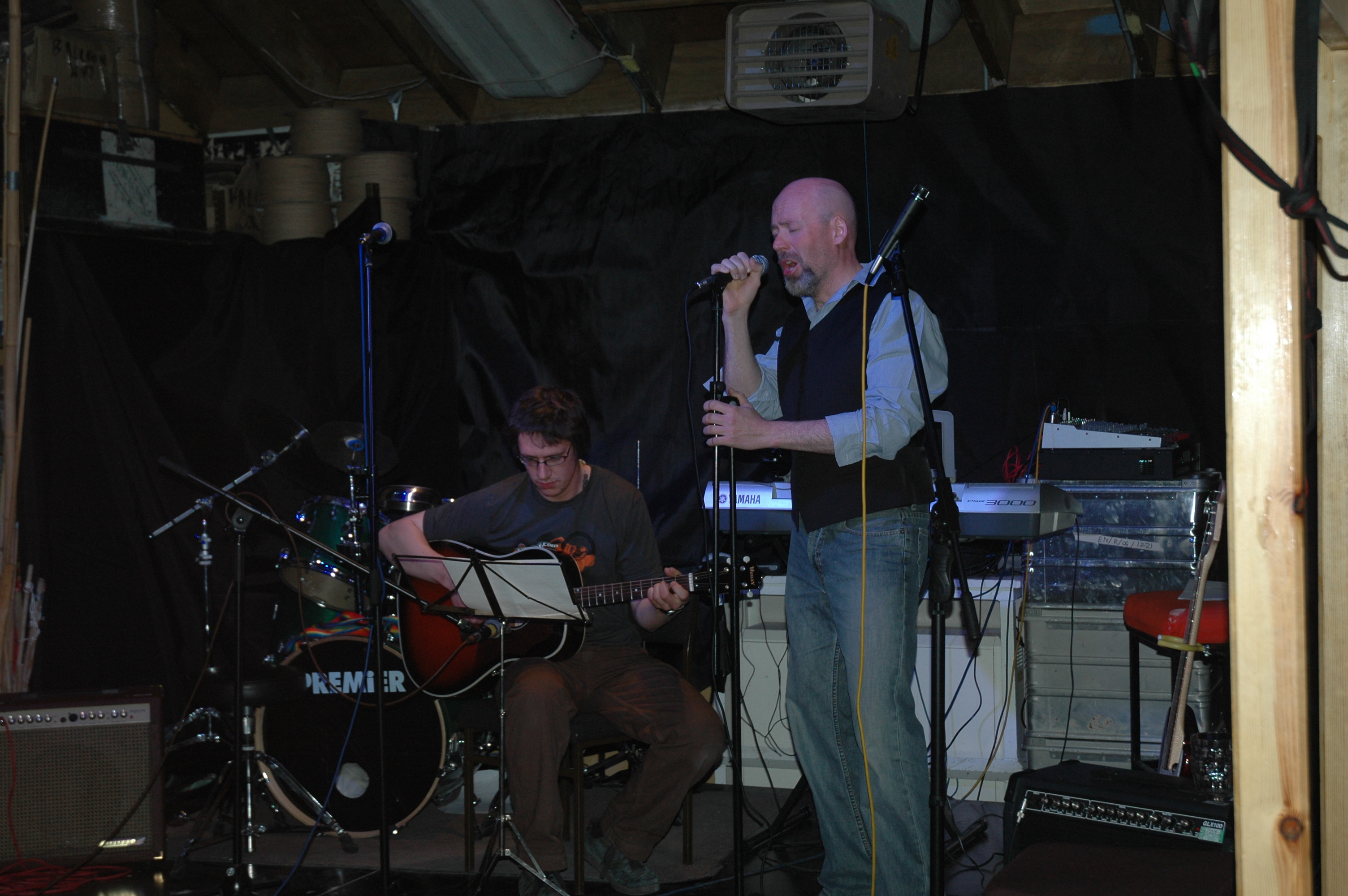 Music plays a
big part in relaxation on the station and the band "Nunatak" featured
in a global broadcast in July 2007 for Live Earth. There were concerts when the Gould
and Endurance visited, and the season final is Folk Night. Another
recreational pursuit is skiing, although I didn't do much this trip, with only
two outings so far. On the first I "skinned" up the ramp (the
relatively smooth slope of the local glacier) and on to a snow filled cwm known
as Vals, where I did a couple of runs down. The area is now just about at
the peak of the summer melt-back, and the ramp can turn to a completely icy
surface. Towards the end of my stay I took advantage of a fresh snowfall
and a Sunday afternoon outing to Vals and skijoured there (being towed behind a
skidoo) and then tried out the slalom course. It was the worst snow I have
encountered, being really wet and sticky! Conditions did improve, but the
ramp had reverted to ice for the return down.
Music plays a
big part in relaxation on the station and the band "Nunatak" featured
in a global broadcast in July 2007 for Live Earth. There were concerts when the Gould
and Endurance visited, and the season final is Folk Night. Another
recreational pursuit is skiing, although I didn't do much this trip, with only
two outings so far. On the first I "skinned" up the ramp (the
relatively smooth slope of the local glacier) and on to a snow filled cwm known
as Vals, where I did a couple of runs down. The area is now just about at
the peak of the summer melt-back, and the ramp can turn to a completely icy
surface. Towards the end of my stay I took advantage of a fresh snowfall
and a Sunday afternoon outing to Vals and skijoured there (being towed behind a
skidoo) and then tried out the slalom course. It was the worst snow I have
encountered, being really wet and sticky! Conditions did improve, but the
ramp had reverted to ice for the return down.
 At their peak
the number of people at the station was over 100, but numbers began to drop
after mid February and for the last week I had a room to myself, albeit not on
the scenic side of the accommodation. In my final week we moved into
"New Bransfield House" which has just been completed, and has new kitchens, lounge and bar. This is
the first phase of a planned
rebuilding of the station, and the next should see new science labs and a
meteorological office, though it may be a decade off!
At their peak
the number of people at the station was over 100, but numbers began to drop
after mid February and for the last week I had a room to myself, albeit not on
the scenic side of the accommodation. In my final week we moved into
"New Bransfield House" which has just been completed, and has new kitchens, lounge and bar. This is
the first phase of a planned
rebuilding of the station, and the next should see new science labs and a
meteorological office, though it may be a decade off!
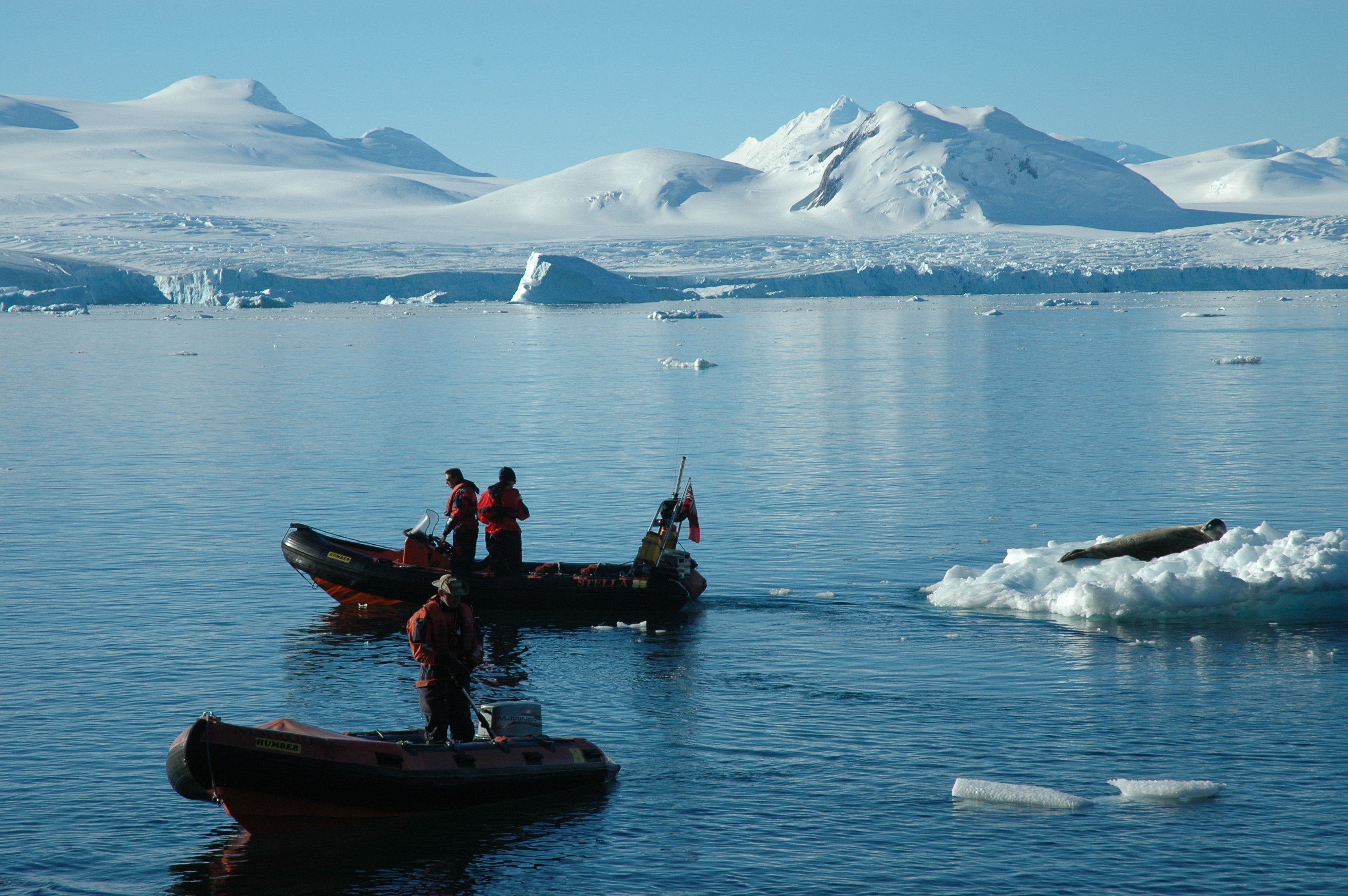 The final few
days saw some cloudless skies, so the first was taken up with some final
calibrations of the volcanic dust sensor and taking final photographs of the
grass on East Beach. The second I'd pencilled in as a leisurely day and I
The final few
days saw some cloudless skies, so the first was taken up with some final
calibrations of the volcanic dust sensor and taking final photographs of the
grass on East Beach. The second I'd pencilled in as a leisurely day and I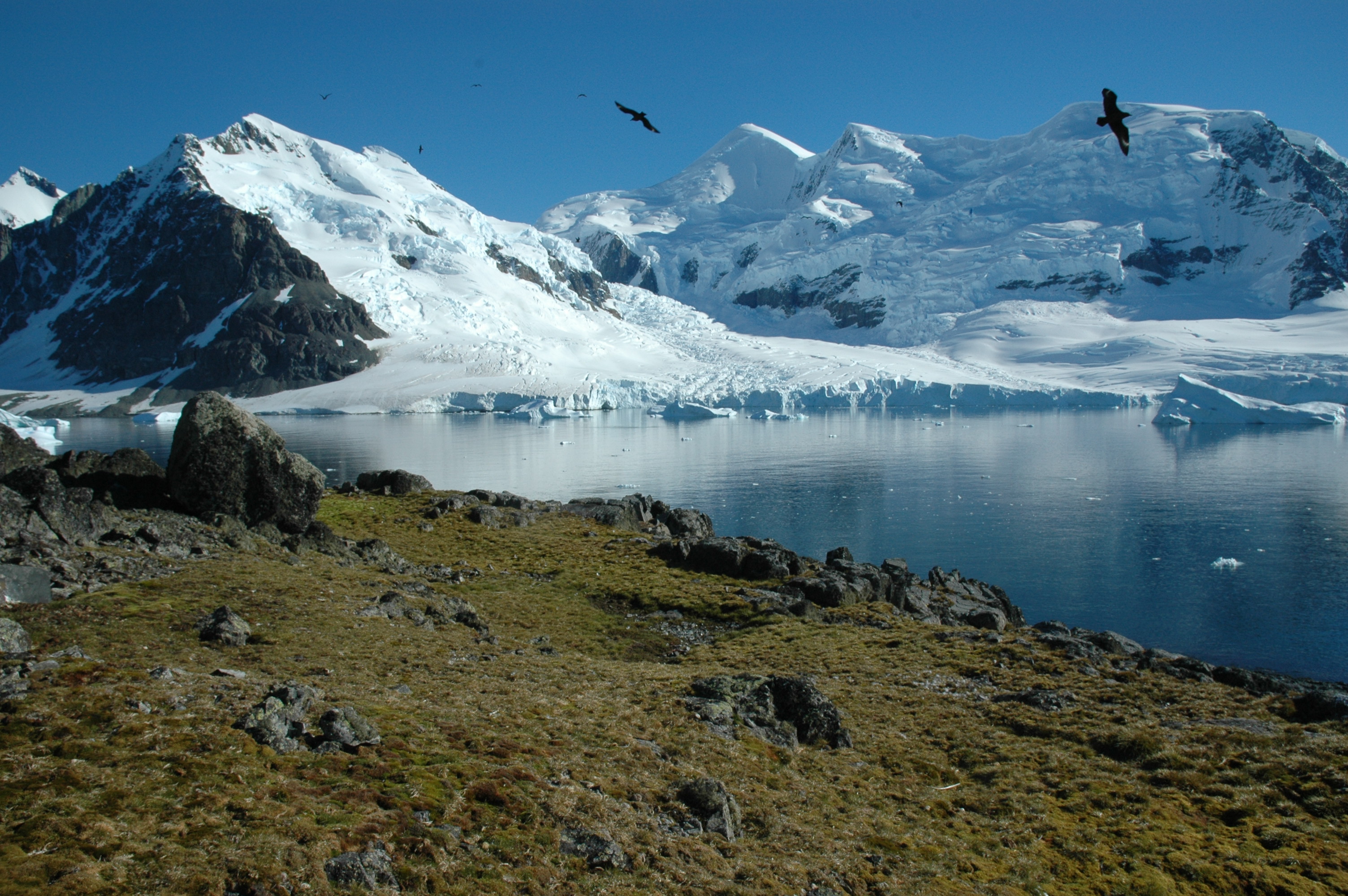 had an opportunity to go across to Leonie Island, which is a 9km boat
trip. With calm seas and little wind it was a quick journey, apart
had an opportunity to go across to Leonie Island, which is a 9km boat
trip. With calm seas and little wind it was a quick journey, apart 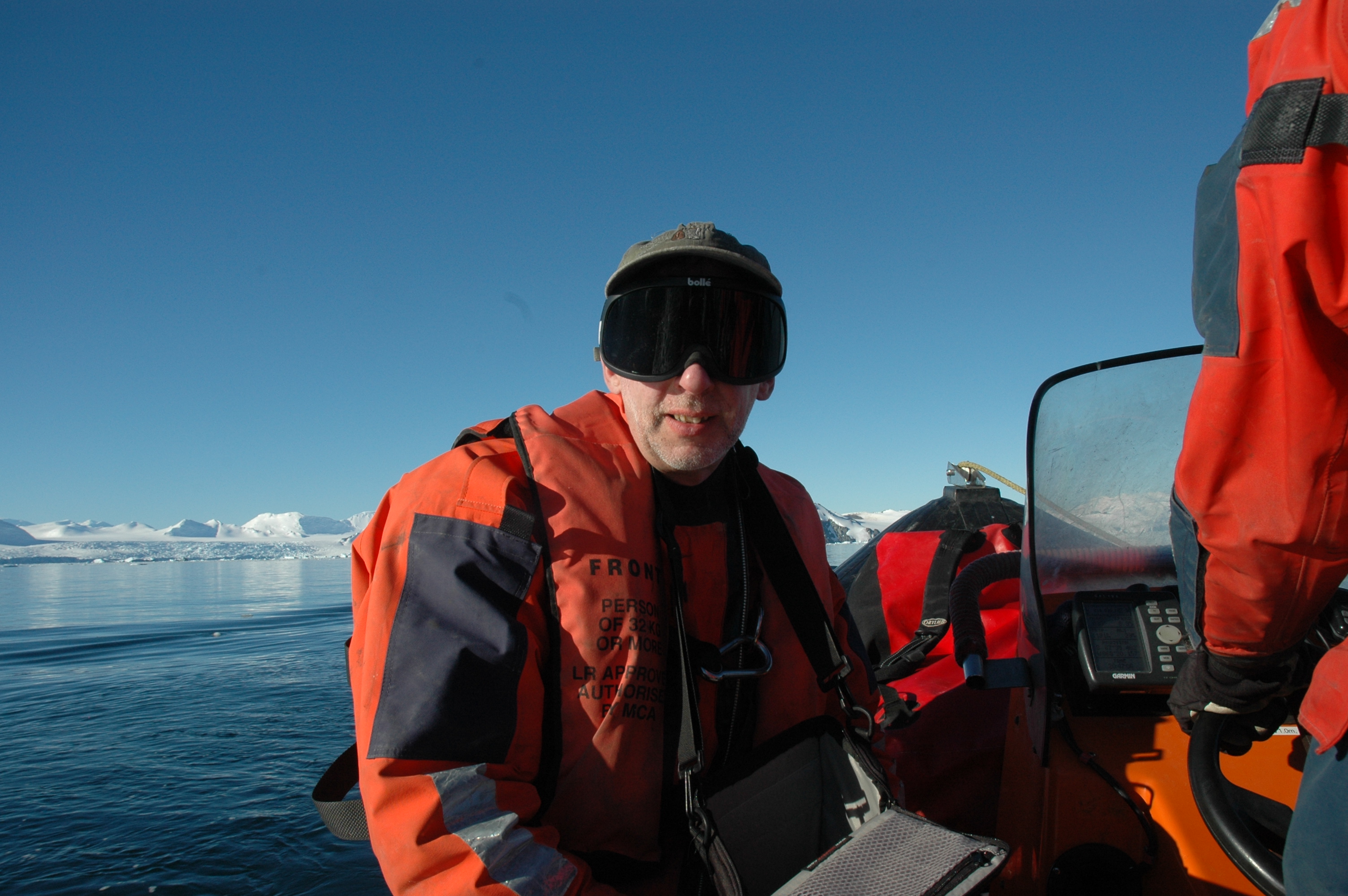 from
slowing down for bits of brash ice or icebergs. Leonie is very different
to Rothera, with lush grassy lawns and much more aggressive skuas.
Mushrooms grow on the moss banks and there are spectacular views across to the
mountains.
from
slowing down for bits of brash ice or icebergs. Leonie is very different
to Rothera, with lush grassy lawns and much more aggressive skuas.
Mushrooms grow on the moss banks and there are spectacular views across to the
mountains.
By the end of
February it gets dark and nights and I took the opportunity for a little
observing, being able to see two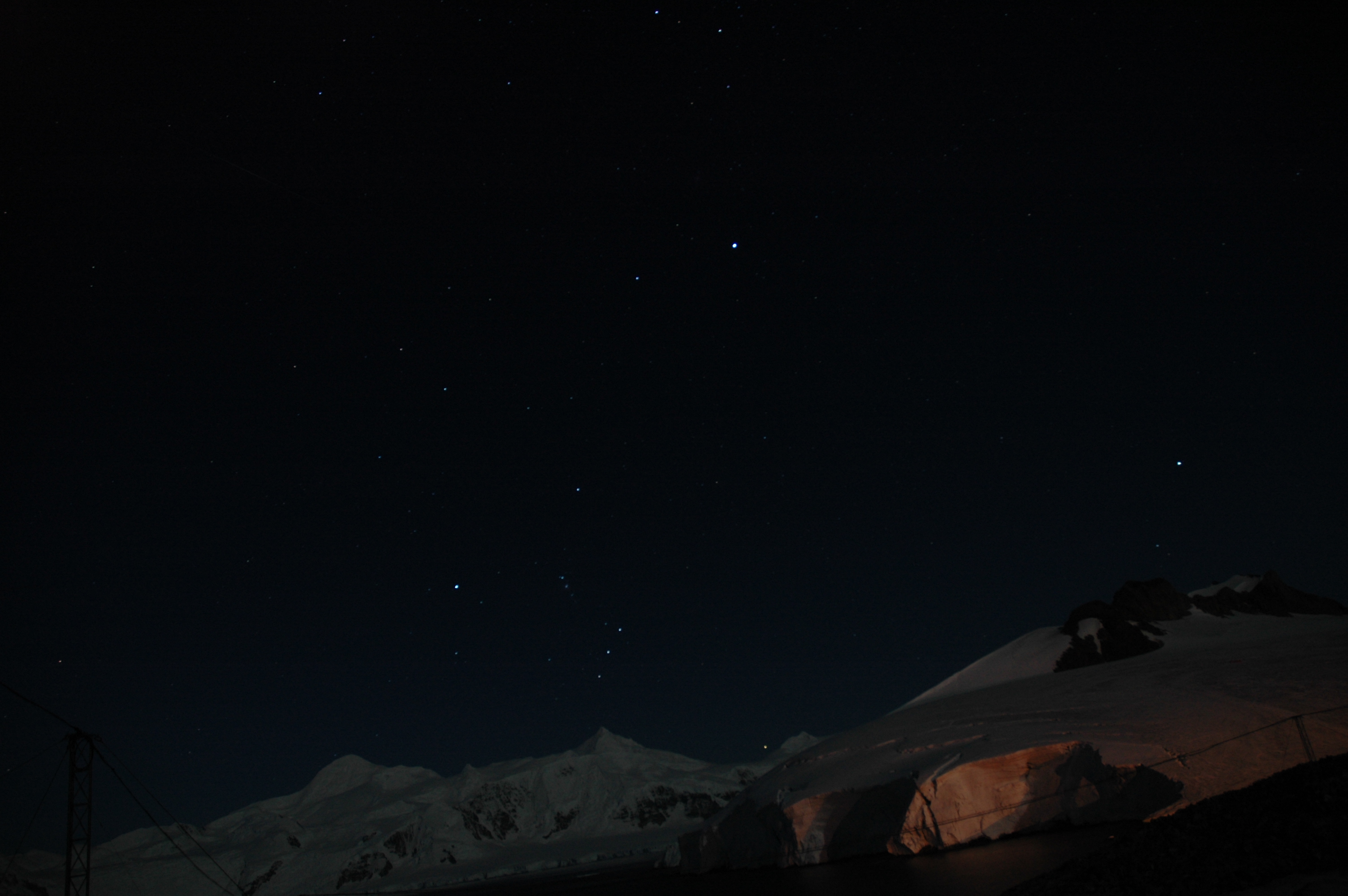 comets with my 9cm refractor that usually accompanies me on Antarctic visits,
though it gets most use for solar observing. There have been few sunspots
in sight as it is close to solar minimum and there is little sign of the new
solar cycle starting as yet.
comets with my 9cm refractor that usually accompanies me on Antarctic visits,
though it gets most use for solar observing. There have been few sunspots
in sight as it is close to solar minimum and there is little sign of the new
solar cycle starting as yet.
During my stay
the warmest day was January 28 with a mean temperature of +3.4 and a maximum of
+6.7. The final day of February 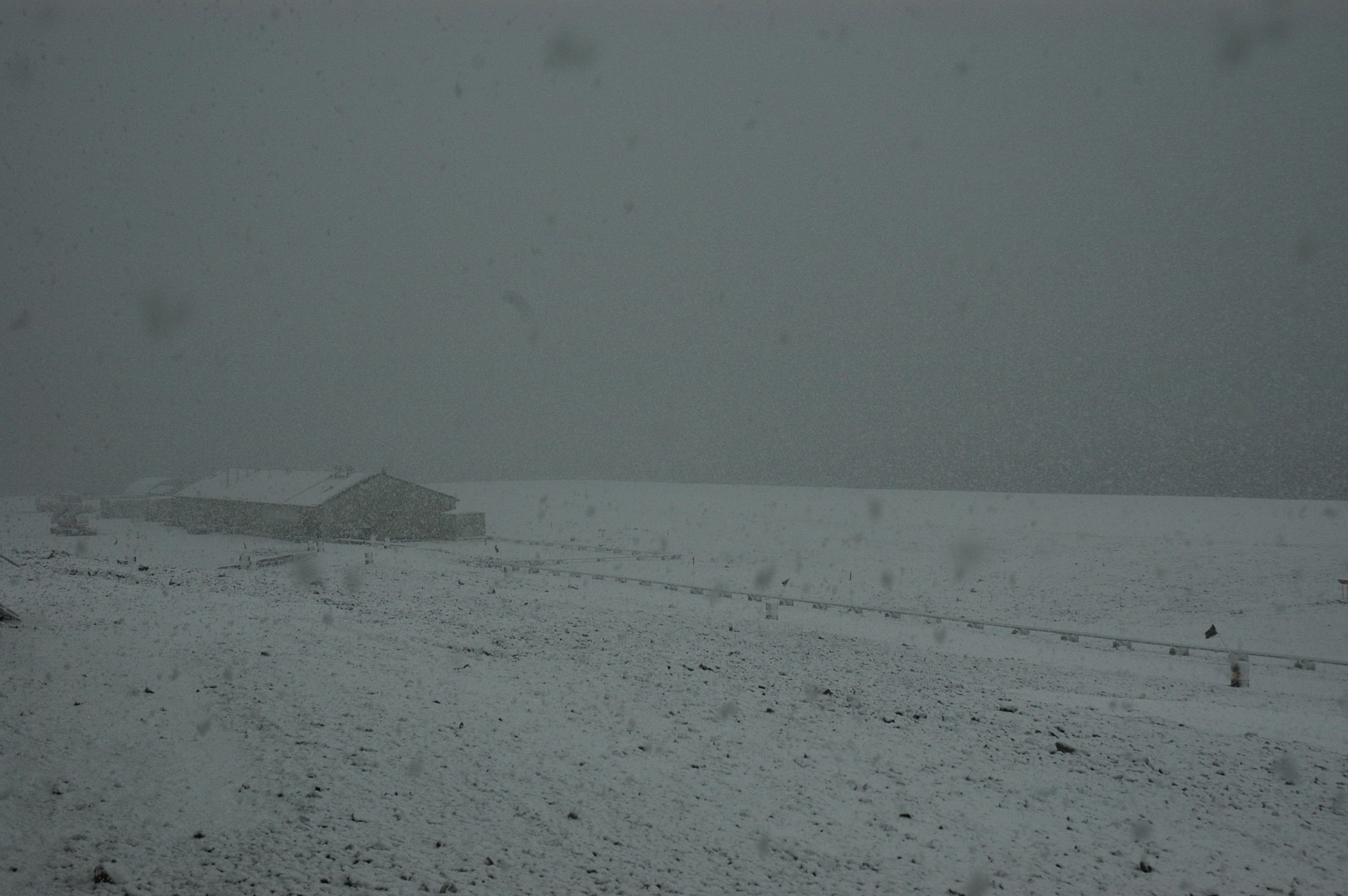 was
also quite warm, with a maximum of +6.6. The coldest day was February 20
with a mean of -1.4 and a minimum of -3.0. The mean January temperature
was +1.7 and that for February +1.0. The windiest day was February 10 with
a mean of 25.0 knots, whilst the next day saw a 10-minute mean of 38.1 knots and
a gust of 52.5 knots. Both months were quite sunny, with January having
234 hours and February 136.
was
also quite warm, with a maximum of +6.6. The coldest day was February 20
with a mean of -1.4 and a minimum of -3.0. The mean January temperature
was +1.7 and that for February +1.0. The windiest day was February 10 with
a mean of 25.0 knots, whilst the next day saw a 10-minute mean of 38.1 knots and
a gust of 52.5 knots. Both months were quite sunny, with January having
234 hours and February 136.
Due to poor weather en route our return to the Falklands was eventually delayed by two days and I left Rothera on the Dash on Sunday, March 2nd. The final day at Rothera really marked the onset of autumn, with a dusting of crisp snow everywhere. We landed at Mount Pleasant Airport, so it was a one hour bus ride to Stanley, where we were staying at the Upland Goose Hotel. Anyone who has seen Fawltey Towers will get a flavour of the style. I immediately went botanising, and managed to find a few more aliens to add to the list. The sky was crystal clear overnight, so I had another look at the two comets that were visible, and whilst one was now easily seen in binoculars the other was tricky in my small refractor. On Monday I gave several talks, at the local primary school, the secondary school and at the Community Centre. It was a very hot and sunny day, so for this last talk attendance was low! We then found that our flight north had been delayed, so I had a full day for more botanising, this time carrying out a survey of the flora between Mt Challenger and Mt Kent. Unfortunately the weather changed as evening approached and I was fortunate to hitch a lift back to Stanley. On Wednesday the flight was still delayed, and having taken some specimens in to the Conservation office, I managed to borrow a landrover to get out to the Mt Kent area again. Here I found a somewhat unusual looking plant, that remains to be identified. I got back to Stanley with a little time to finish packing before catching the bus to MPA and the long flight back to UK, stopping briefly at Ascension Island, which appeared much greener than it was two years ago, with many more trees. A bus was waiting at Brize Norton to take us back to Cambridge and I finally got back around 10pm on March 6.
|
Jonathan Shanklin |
Updated 2008 July 25 |