Notes from South 2006
 I
left
I
left
 From
the airport it is about an hour's bus ride into
From
the airport it is about an hour's bus ride into 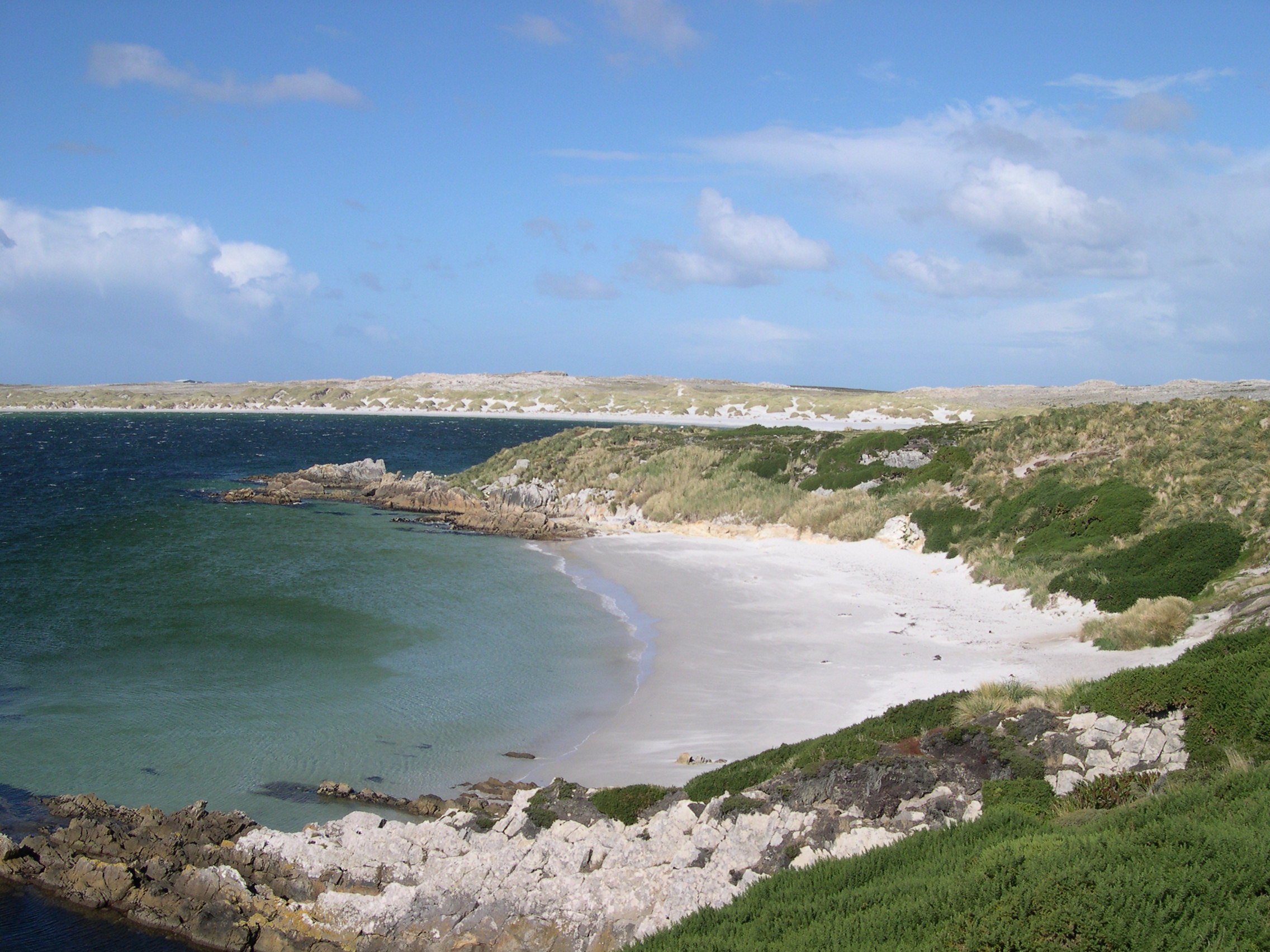 been previously reported
from the island. I was beginning to give
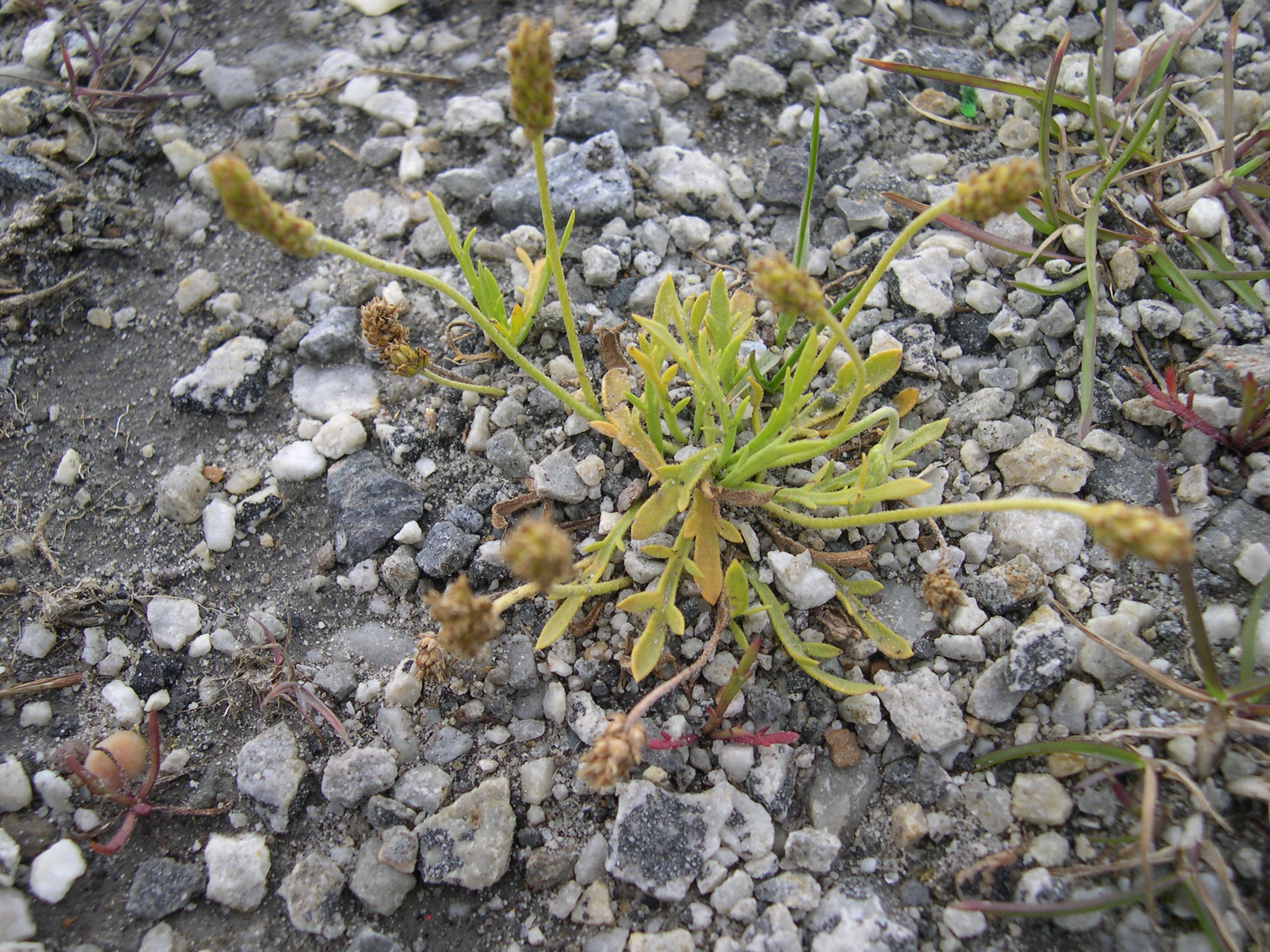
up, when just 200m from FIPASS I found it again, and was able to take some
photos as confirmation.
been previously reported
from the island. I was beginning to give
up, when just 200m from FIPASS I found it again, and was able to take some
photos as confirmation.
The following
day I walked along the coast, finding below the potato fields of Stanley
Growers what proved to be another new addition to the island flora. Watercress had escaped from cultivation and
was now lining the banks of a small stream.
As there were passing showers I stopped at the Lighthouse café for a cup
of tea, before continuing on to Gypsy Cove, famed for its penguins and a top
spot on the tourist agenda. From here I
walked on past the minefield protecting
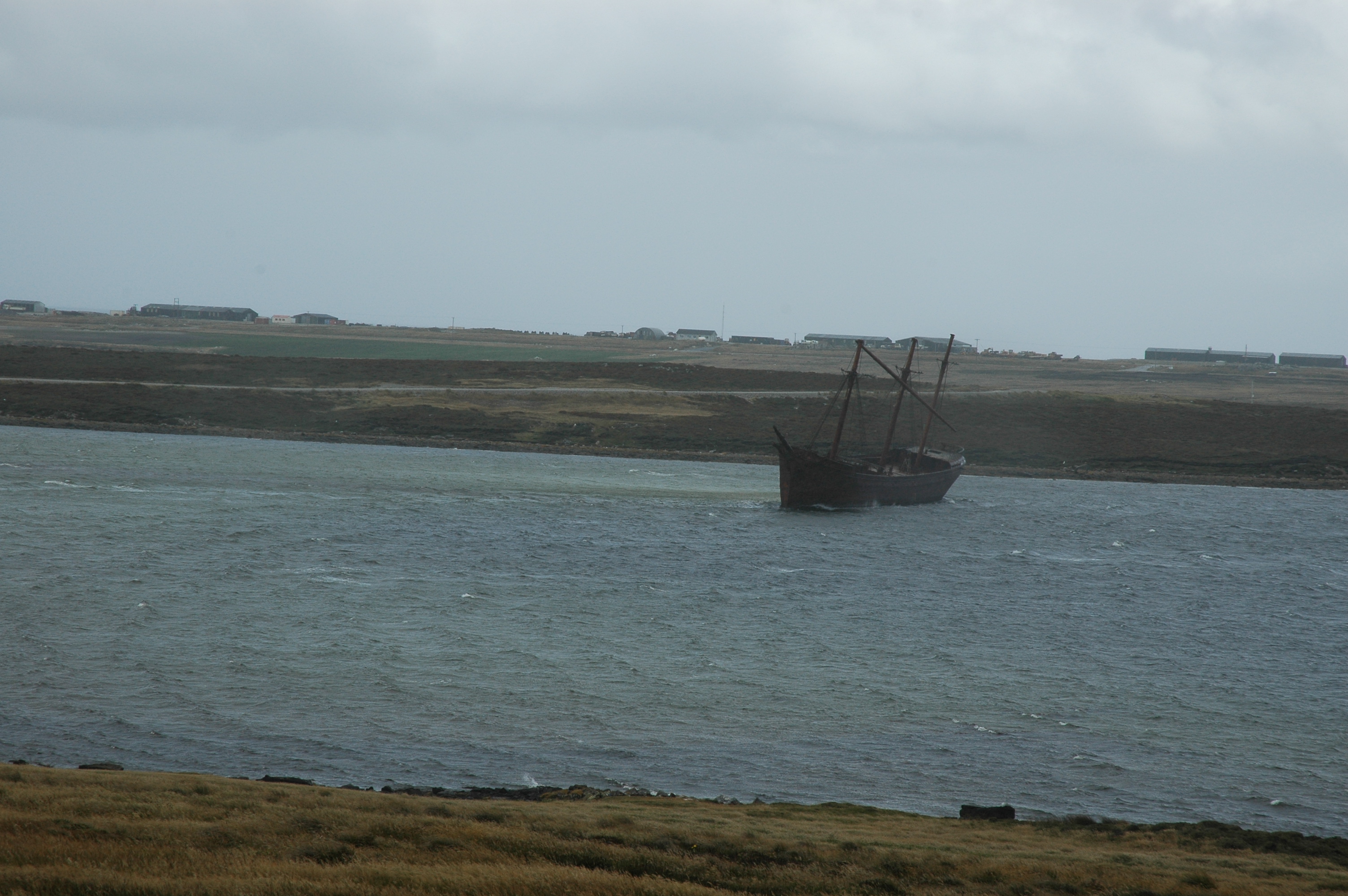 On
Friday I headed off in the other direction, climbing Sapper Hill, followed by
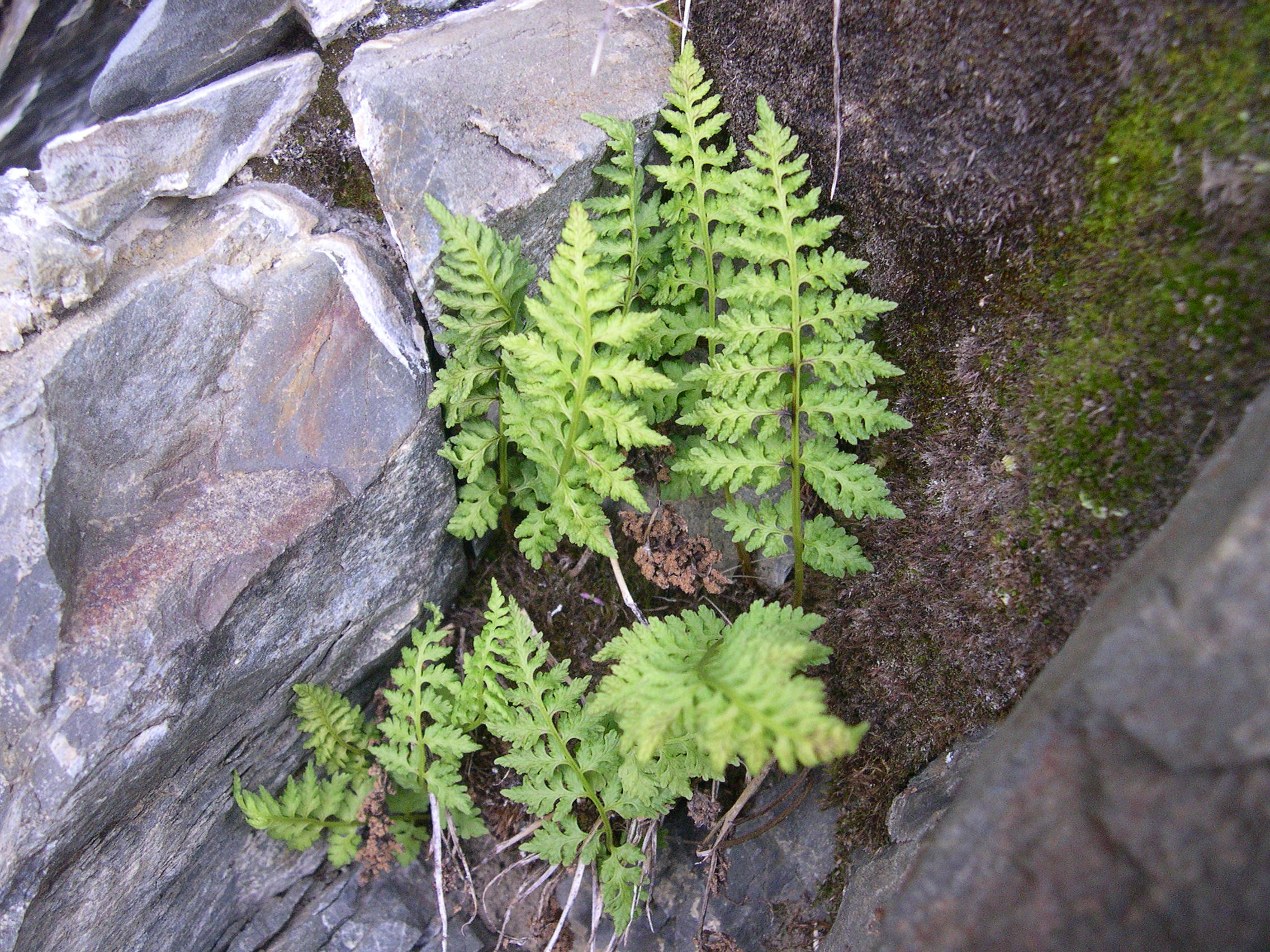
Tumbledown, where I found a couple of uncommon ferns in a rock crevice. I cut back to Moody Brook and then followed
Wireless Ridge to Penarrow Point, crossed back to
On
Friday I headed off in the other direction, climbing Sapper Hill, followed by
Tumbledown, where I found a couple of uncommon ferns in a rock crevice. I cut back to Moody Brook and then followed
Wireless Ridge to Penarrow Point, crossed back to
My plans for
Saturday morning changed when I received an email requesting me to obtain
specimens of the two new plants for the National Herbarium. On the way I spotted Mountain speedwell
growing below the cemetery, before continuing on to the two sites. Altogether in the few days that I was in the
Falklands I found around 150 of the 380 known species for the 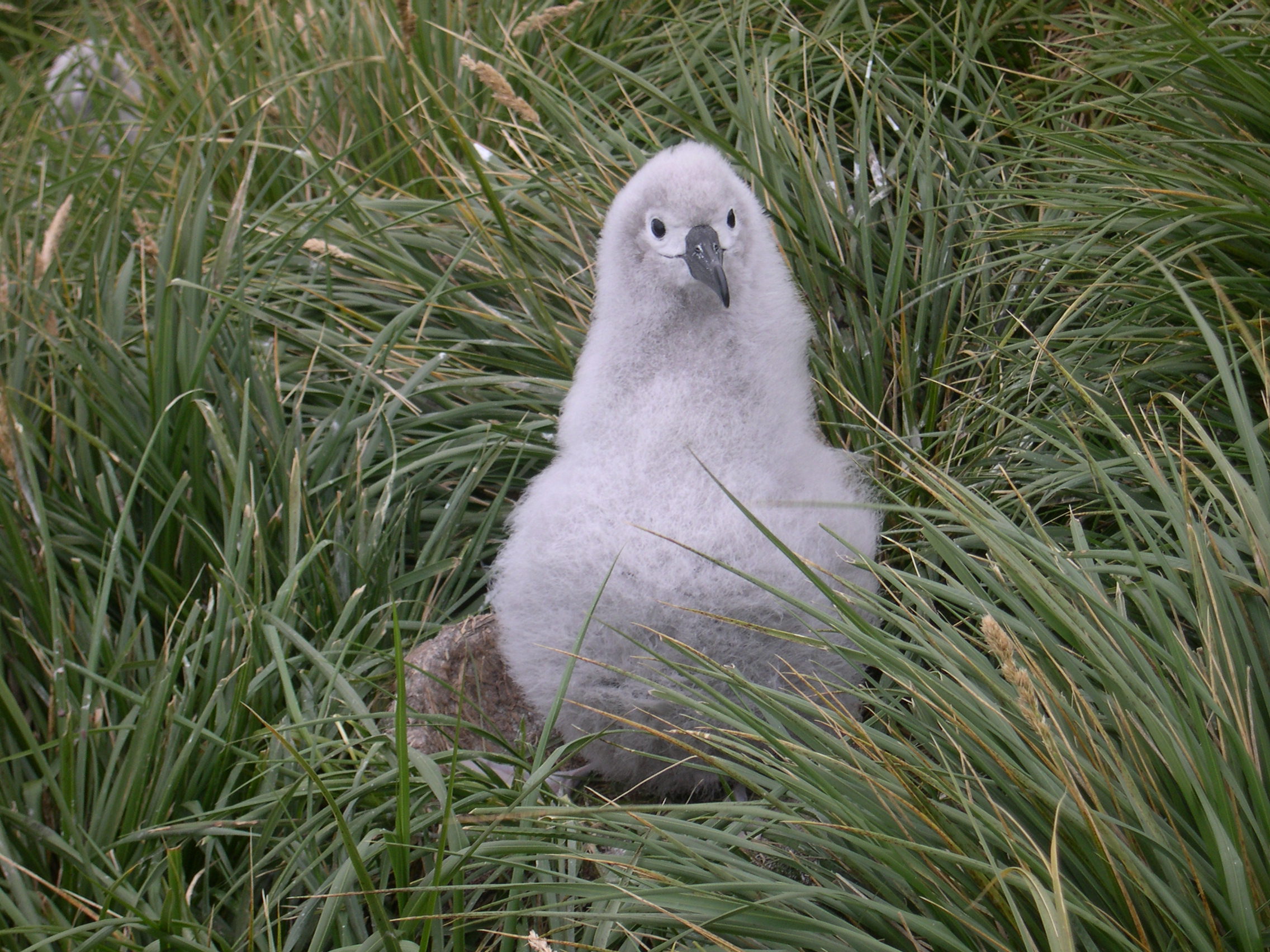 nch.
I
was picked up just before two for the short trip to FIPASS, where the fishery
protection vessel, Sigma, was berthed.
Once on board I was shown to the largest cabin that I have ever enjoyed
on my southern voyages. A group of 9
Norwegians joined a little later – they are heading for Husvik, where they will
be restoring the managers hut. We sailed
at 5pm – once we got out of the Harbour, the Sigma at first seemed a bit
livelier than the BAS ships, but proved a very comfortable home for the next
few days. The voyage to
nch.
I
was picked up just before two for the short trip to FIPASS, where the fishery
protection vessel, Sigma, was berthed.
Once on board I was shown to the largest cabin that I have ever enjoyed
on my southern voyages. A group of 9
Norwegians joined a little later – they are heading for Husvik, where they will
be restoring the managers hut. We sailed
at 5pm – once we got out of the Harbour, the Sigma at first seemed a bit
livelier than the BAS ships, but proved a very comfortable home for the next
few days. The voyage to
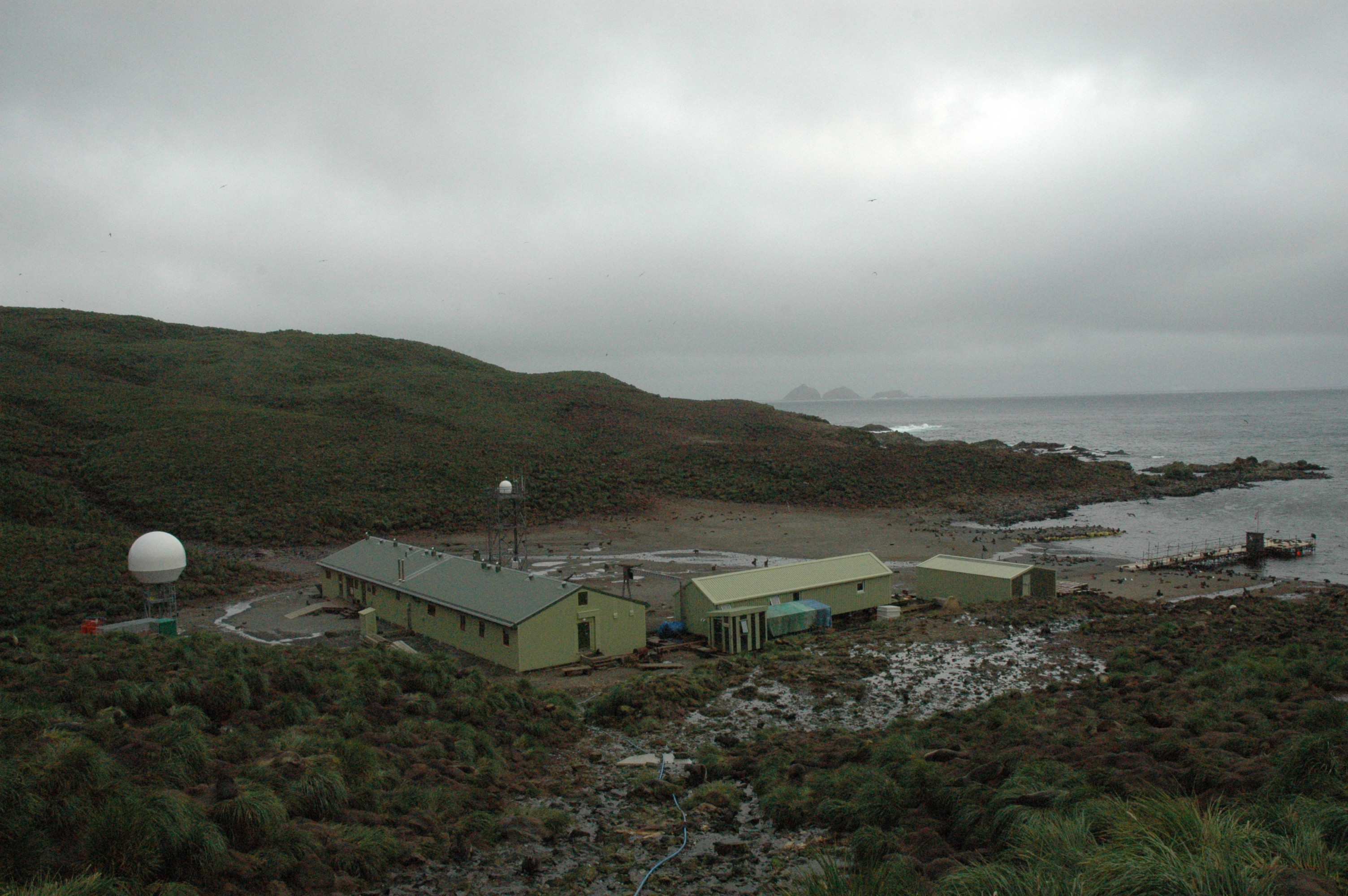 We arrived off Bird
Island at breakfast time on February 8, and it was a quick rib ride to my
home for the next few weeks, where I was welcomed by Sarah and Vicky and all
the fur seals. The
station has been rebuilt since my last visit, and is quite a change from the old
huts. Unusually for
We arrived off Bird
Island at breakfast time on February 8, and it was a quick rib ride to my
home for the next few weeks, where I was welcomed by Sarah and Vicky and all
the fur seals. The
station has been rebuilt since my last visit, and is quite a change from the old
huts. Unusually for 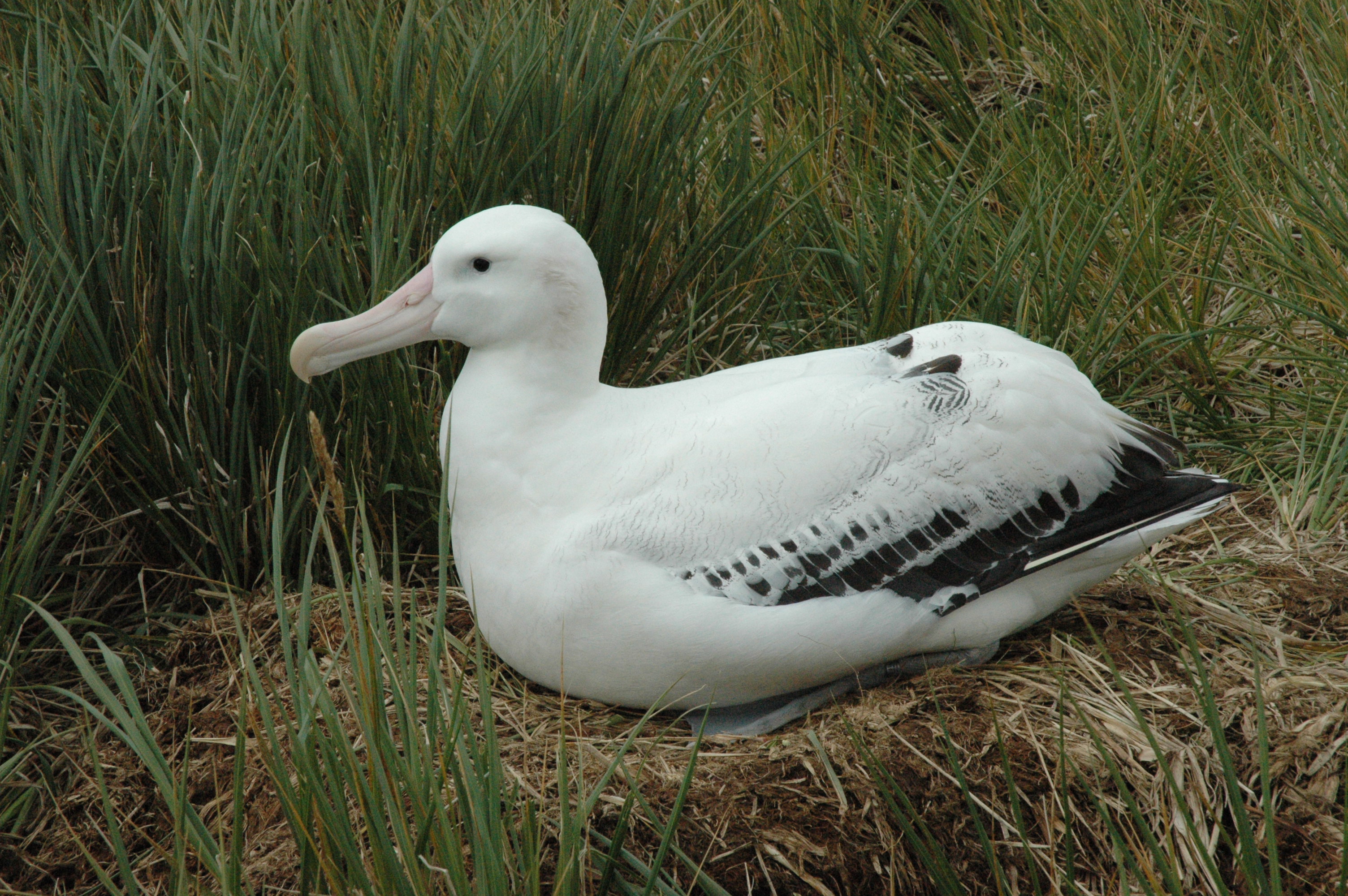 Weather Station)
that I had come to install in a lab, switched it on and it worked straight off;
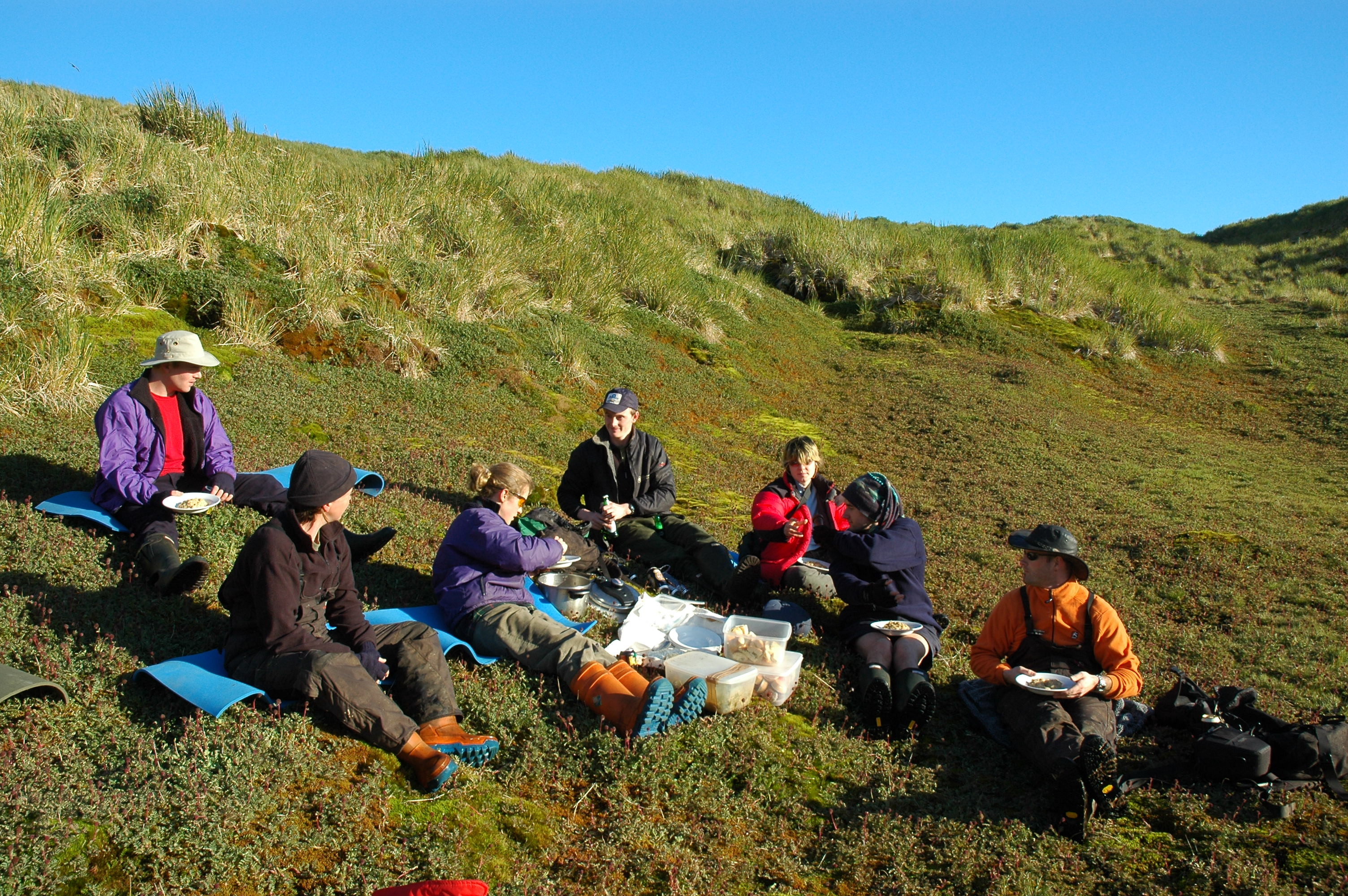
the harder part of installing into operation was to come. As it was another fine evening we had a
picnic dinner on the meadows above the station.
The next few days were preparing to set up the AWS, and becoming
familiar with base life. Saturday was
designated as fur seal pup weighing day, so in the
Weather Station)
that I had come to install in a lab, switched it on and it worked straight off;
the harder part of installing into operation was to come. As it was another fine evening we had a
picnic dinner on the meadows above the station.
The next few days were preparing to set up the AWS, and becoming
familiar with base life. Saturday was
designated as fur seal pup weighing day, so in the
 afternoon we headed off to
the study beach. I stood by and watched,
and then took on the job of marking the pups that had been weighed and tallying
them off. It looks easy, but as a novice
I forgot that they are quick and got nipped on the thumb by the second
one. After that I was more careful and
didn’t suffer again. For the second part
we had to catch them in the tussock grass, which is a bit harder, and this time
I helped with the catching. Saturday
night is always a special meal, and Zac started us off with a treasure hunt
round the base, which initially proved very difficult, but as the clues came in
we got faster.
afternoon we headed off to
the study beach. I stood by and watched,
and then took on the job of marking the pups that had been weighed and tallying
them off. It looks easy, but as a novice
I forgot that they are quick and got nipped on the thumb by the second
one. After that I was more careful and
didn’t suffer again. For the second part
we had to catch them in the tussock grass, which is a bit harder, and this time
I helped with the catching. Saturday
night is always a special meal, and Zac started us off with a treasure hunt
round the base, which initially proved very difficult, but as the clues came in
we got faster.
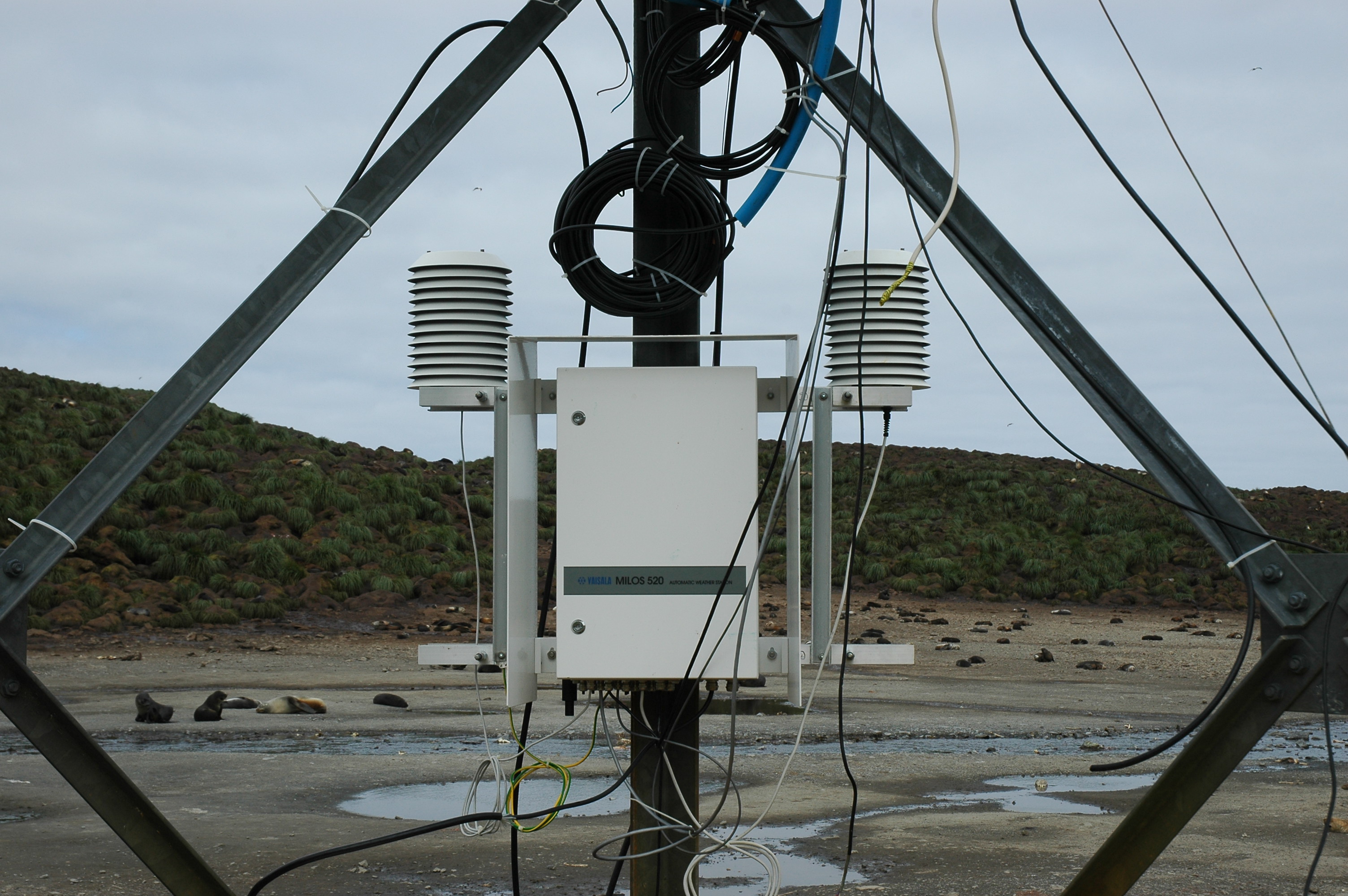
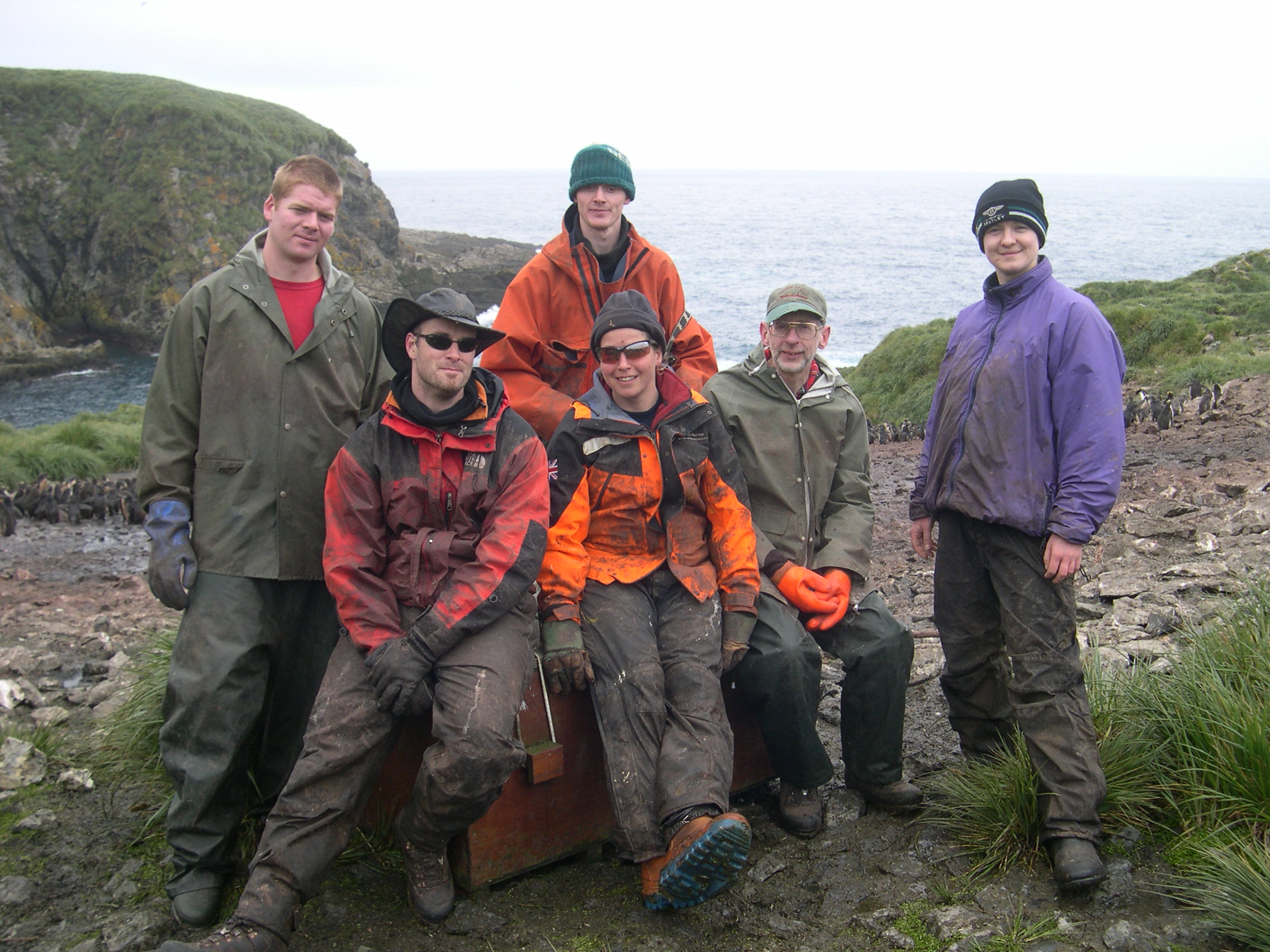 On
Sunday, February 12, I decided it was time to install the new AWS, so in the
morning I commenced dismantling the old system and preparing the new one. Once the old AWS had taken the 15:00 readings,
Sarah downloaded the final data and switched it off. Vicky and I then cut the remaining bolts and
removed the cabinet from the tower and made a start on getting the frame for
the new one in place. This was easier
said than done, but once I found a few additional spacers, I made it secure,
and then with help from Vicky and Donald went to collect the new AWS to put in
place. We were distracted by two seal
pups from the study beach that needed tagging, but once done it was relatively
straightforward to put the new cabinet in place. After that it was just a question of fitting
sensors and cables in place, but this is when the
On
Sunday, February 12, I decided it was time to install the new AWS, so in the
morning I commenced dismantling the old system and preparing the new one. Once the old AWS had taken the 15:00 readings,
Sarah downloaded the final data and switched it off. Vicky and I then cut the remaining bolts and
removed the cabinet from the tower and made a start on getting the frame for
the new one in place. This was easier
said than done, but once I found a few additional spacers, I made it secure,
and then with help from Vicky and Donald went to collect the new AWS to put in
place. We were distracted by two seal
pups from the study beach that needed tagging, but once done it was relatively
straightforward to put the new cabinet in place. After that it was just a question of fitting
sensors and cables in place, but this is when the 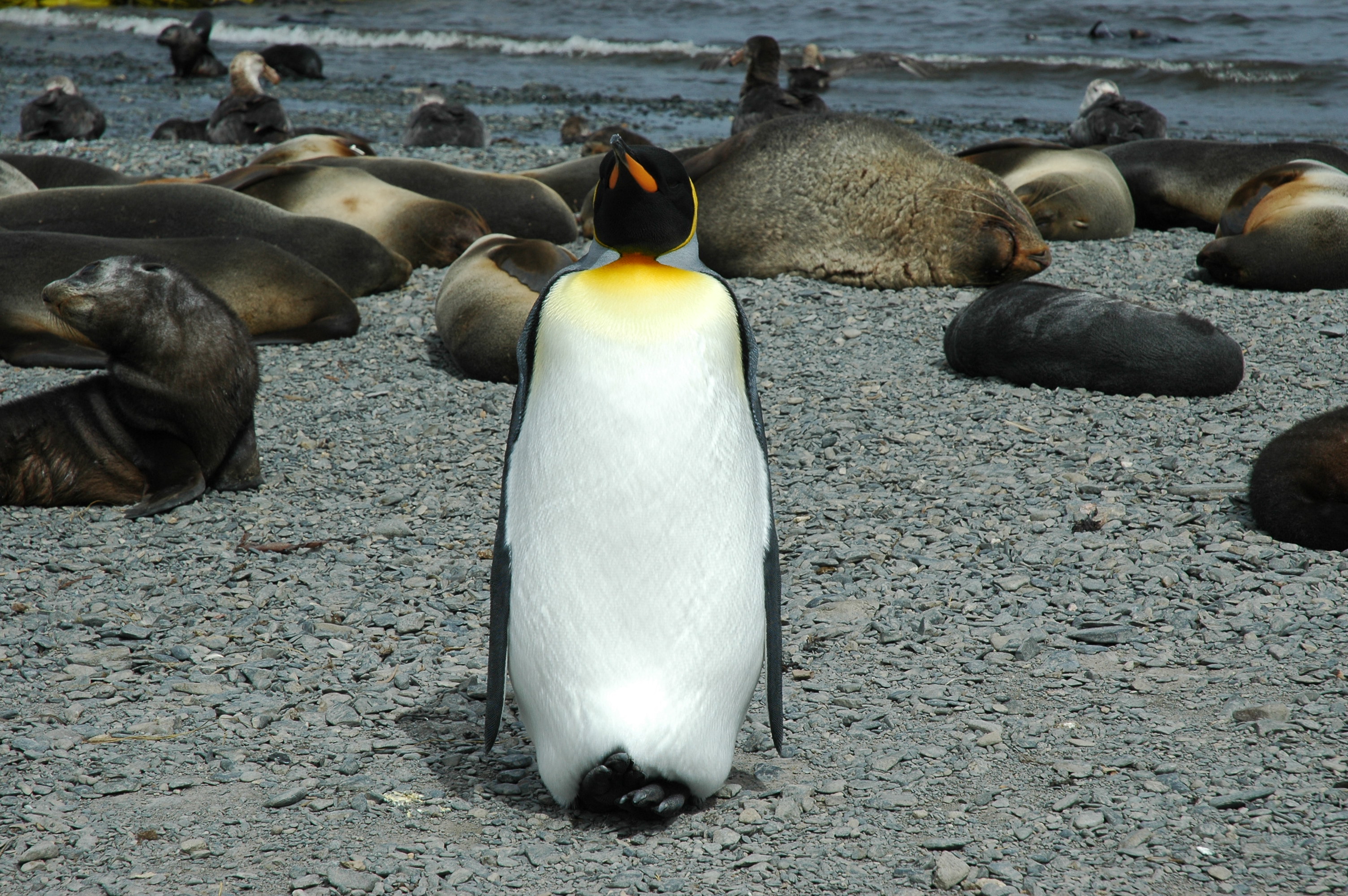 nd
nd
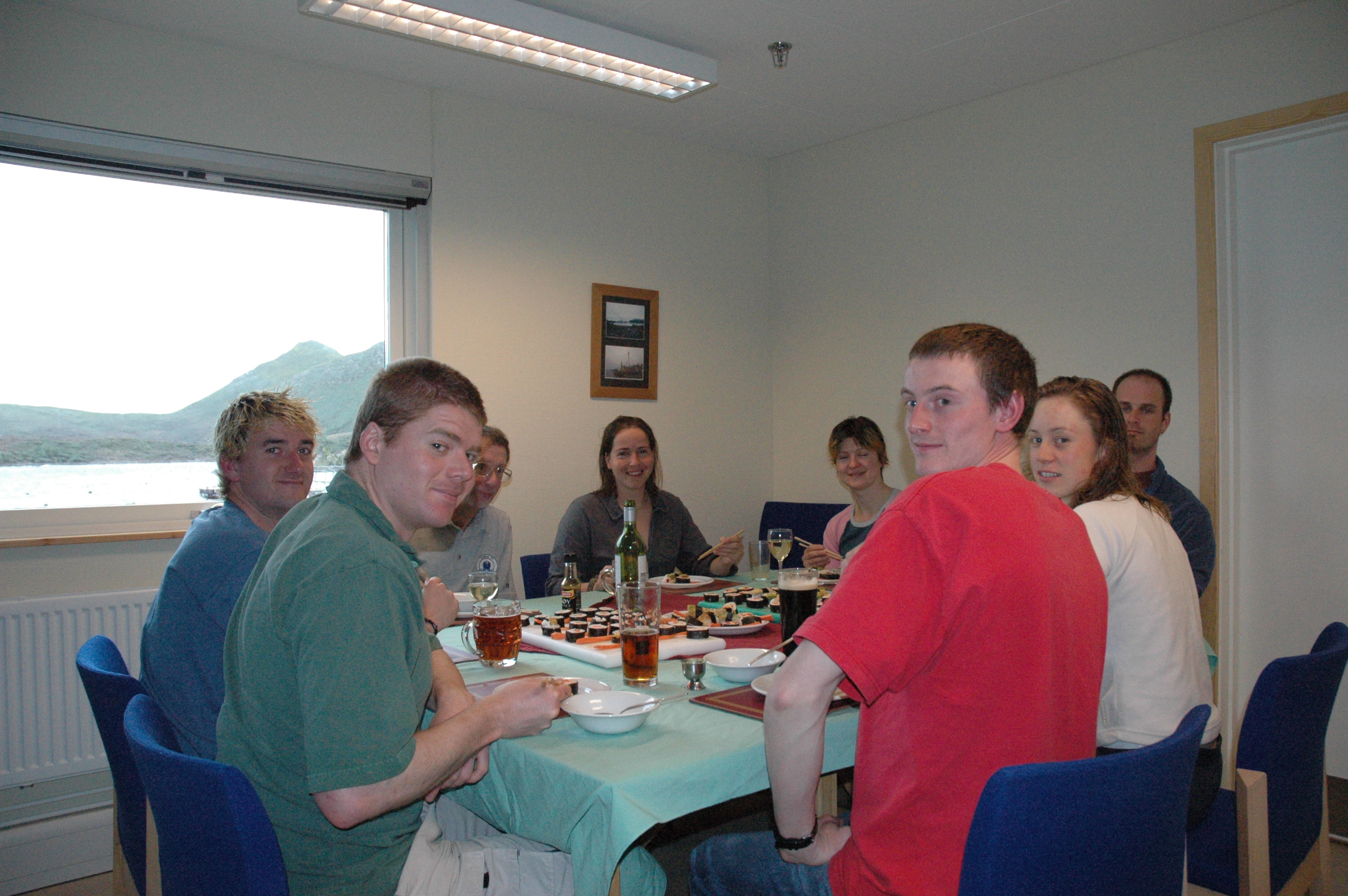 We have to take
it in turns to be cook for the day. Its
not such a big task as on the other stations as there are only 8 of us, and the
cook only has to make bread and do dinner in the evening, as well as some
cleaning during the day. The standard of
catering is excellent,
We have to take
it in turns to be cook for the day. Its
not such a big task as on the other stations as there are only 8 of us, and the
cook only has to make bread and do dinner in the evening, as well as some
cleaning during the day. The standard of
catering is excellent,
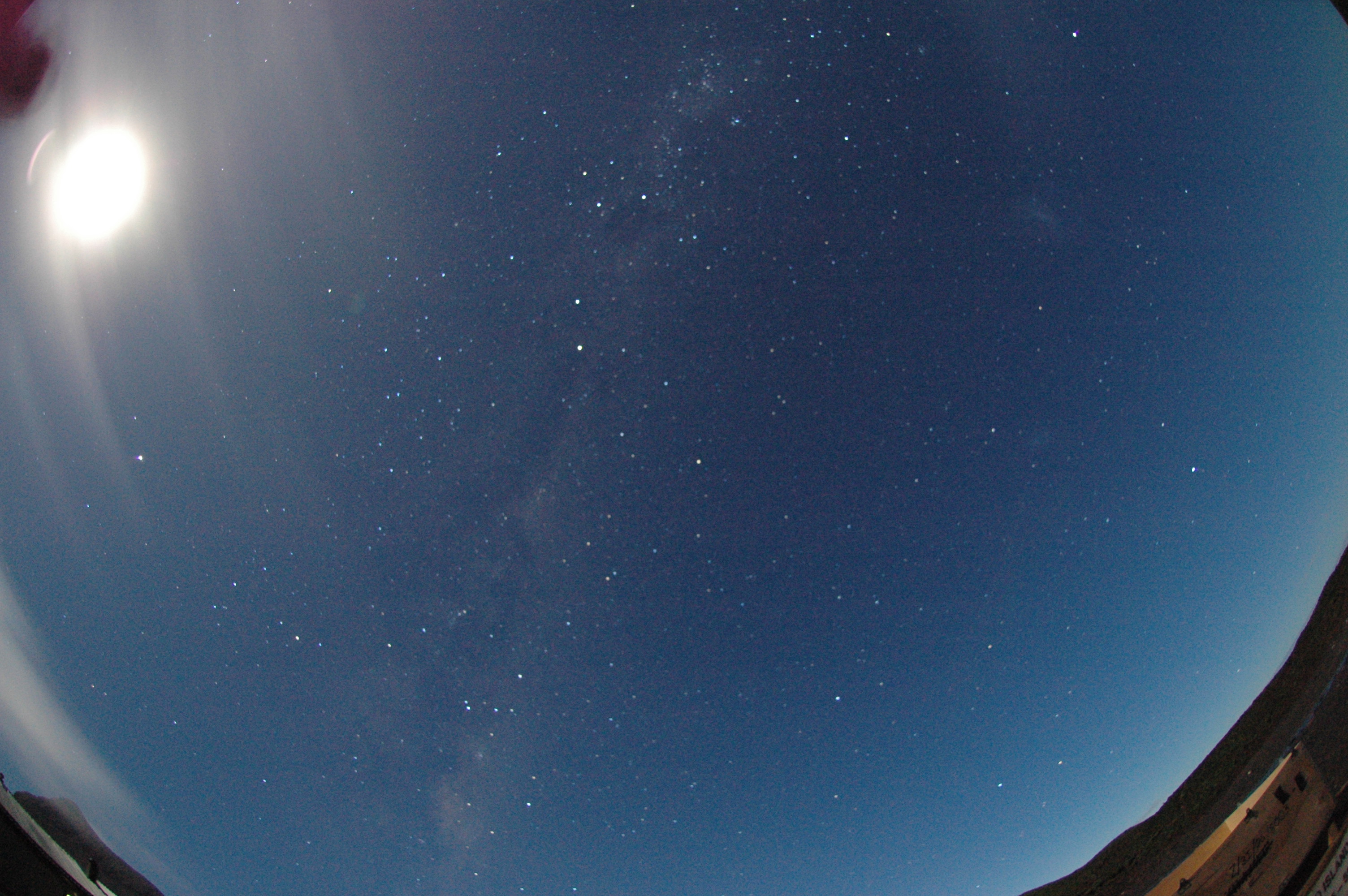 rivalling that in
many restaurants. Although lunch isn’t
expected I made some soup on my first turn, with Donald making bread rolls and
also made parkin for afternoon smoko (tea).
For dinner I made a mince stew, with potatoes, carrots, onions and
leeks. Eight days later it was my turn
again, this timing applying a variation on the theme with cottage pie, with
flapjack and fudge for “goodies”. These
didn’t last very long!
rivalling that in
many restaurants. Although lunch isn’t
expected I made some soup on my first turn, with Donald making bread rolls and
also made parkin for afternoon smoko (tea).
For dinner I made a mince stew, with potatoes, carrots, onions and
leeks. Eight days later it was my turn
again, this timing applying a variation on the theme with cottage pie, with
flapjack and fudge for “goodies”. These
didn’t last very long!
By way of a
side line I looked for the local flora of the island, and produced an illustrated
guide. This includes two new species
for the island, both common on
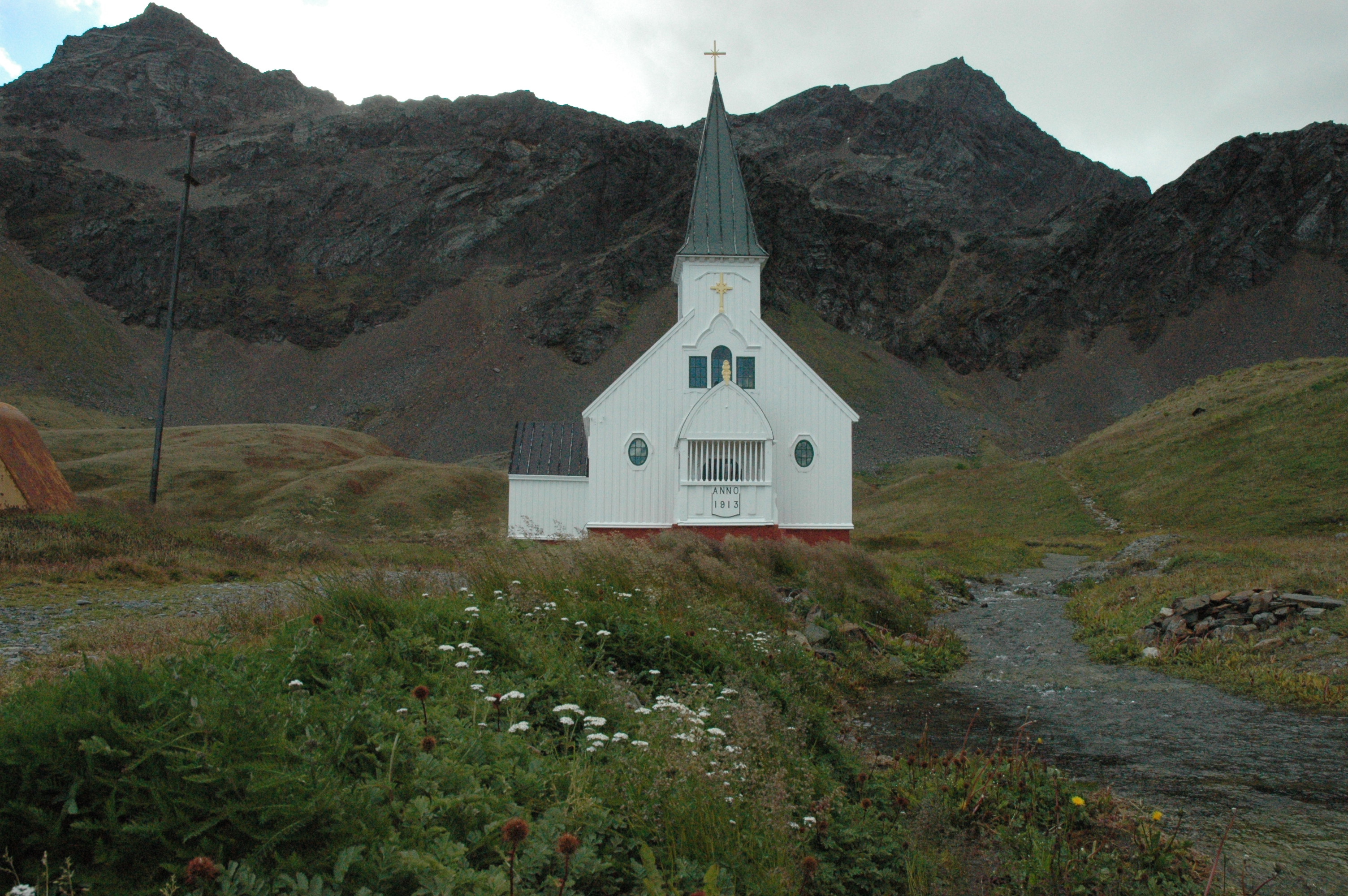 All too quickly my
time on the island drew to a close, and the Sigma reappeared, bearing the
Governor of the
All too quickly my
time on the island drew to a close, and the Sigma reappeared, bearing the
Governor of the 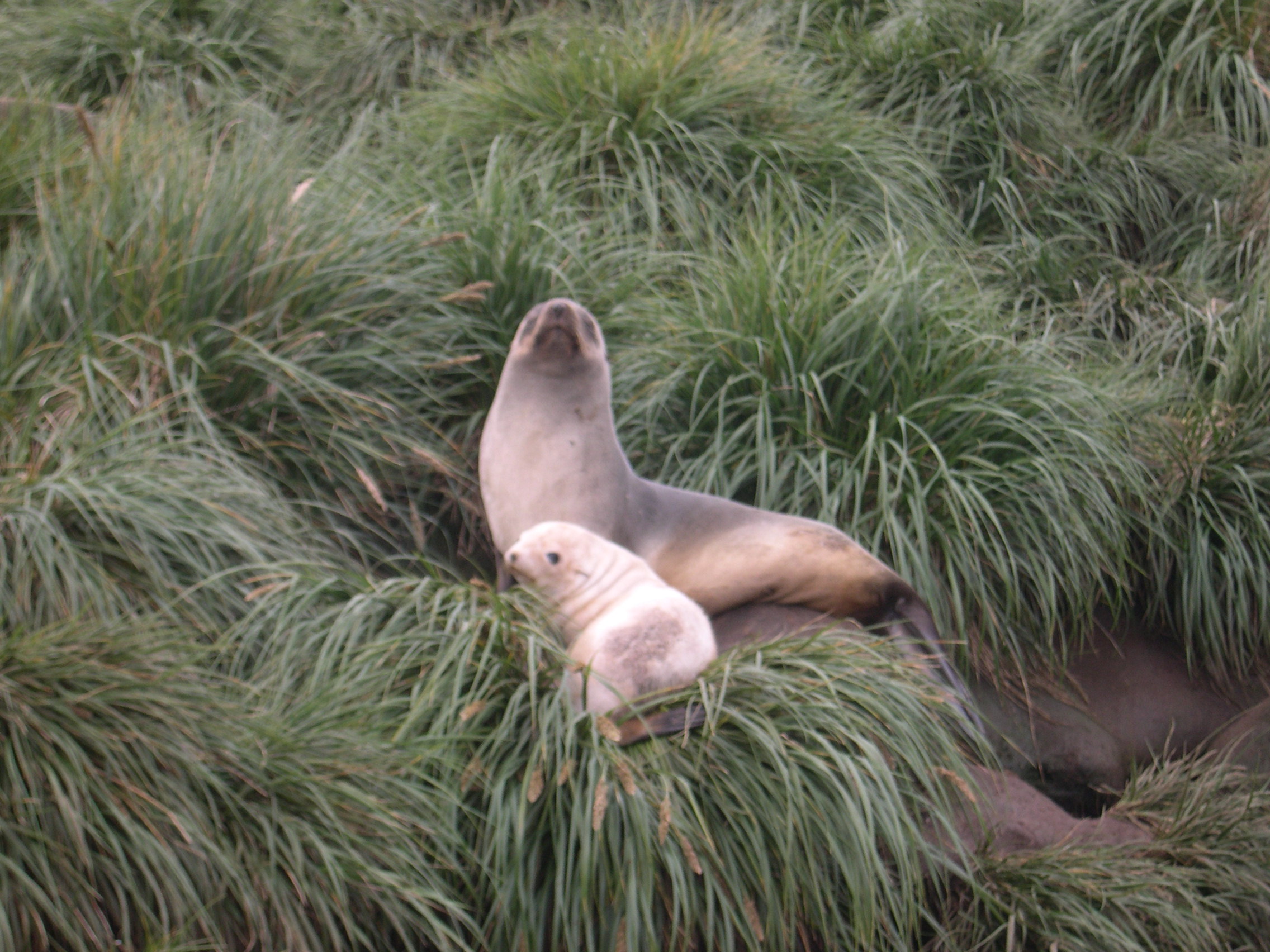 s. Then it was an emotional farewell, with a
short voyage on to
s. Then it was an emotional farewell, with a
short voyage on to
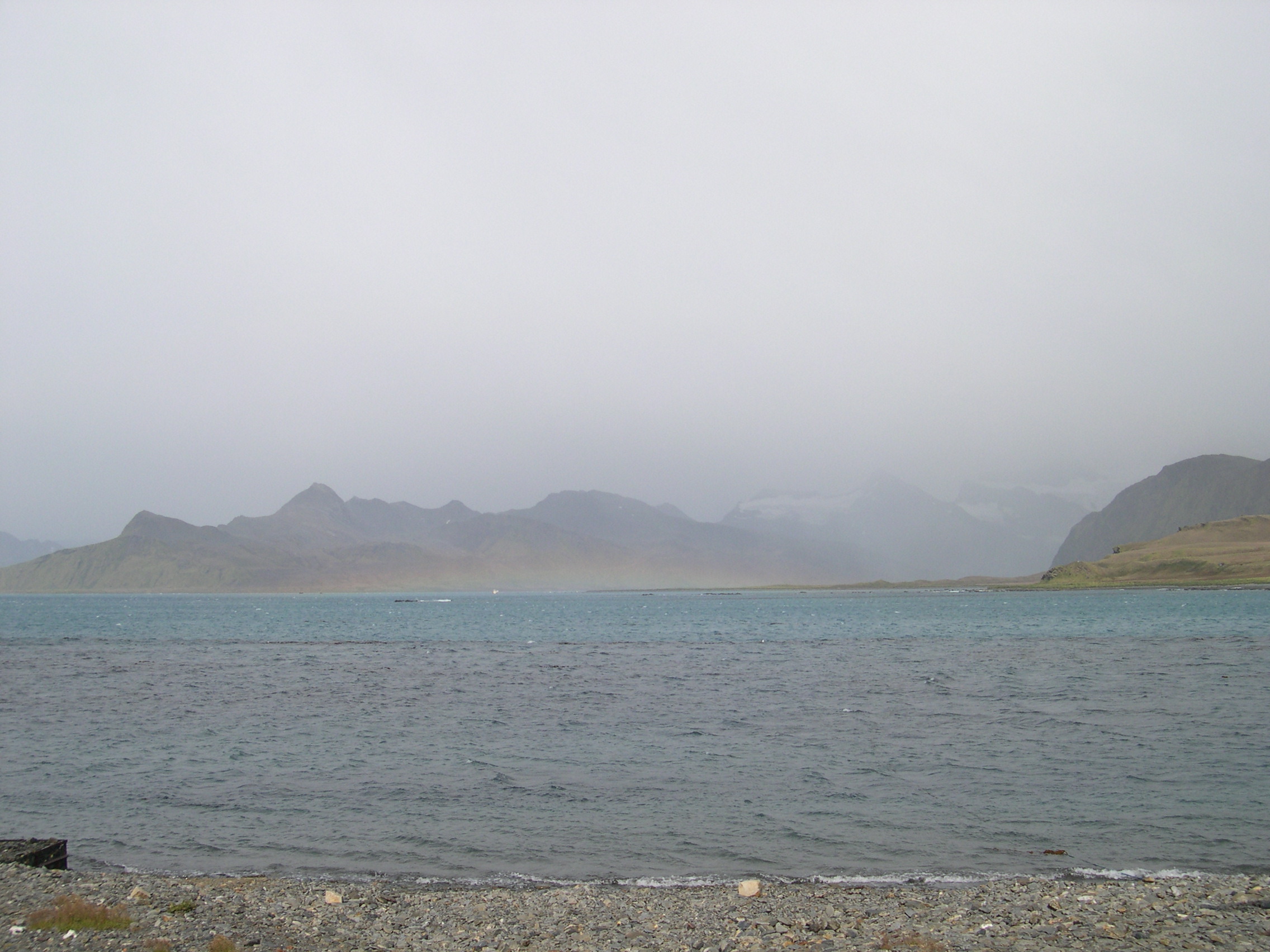
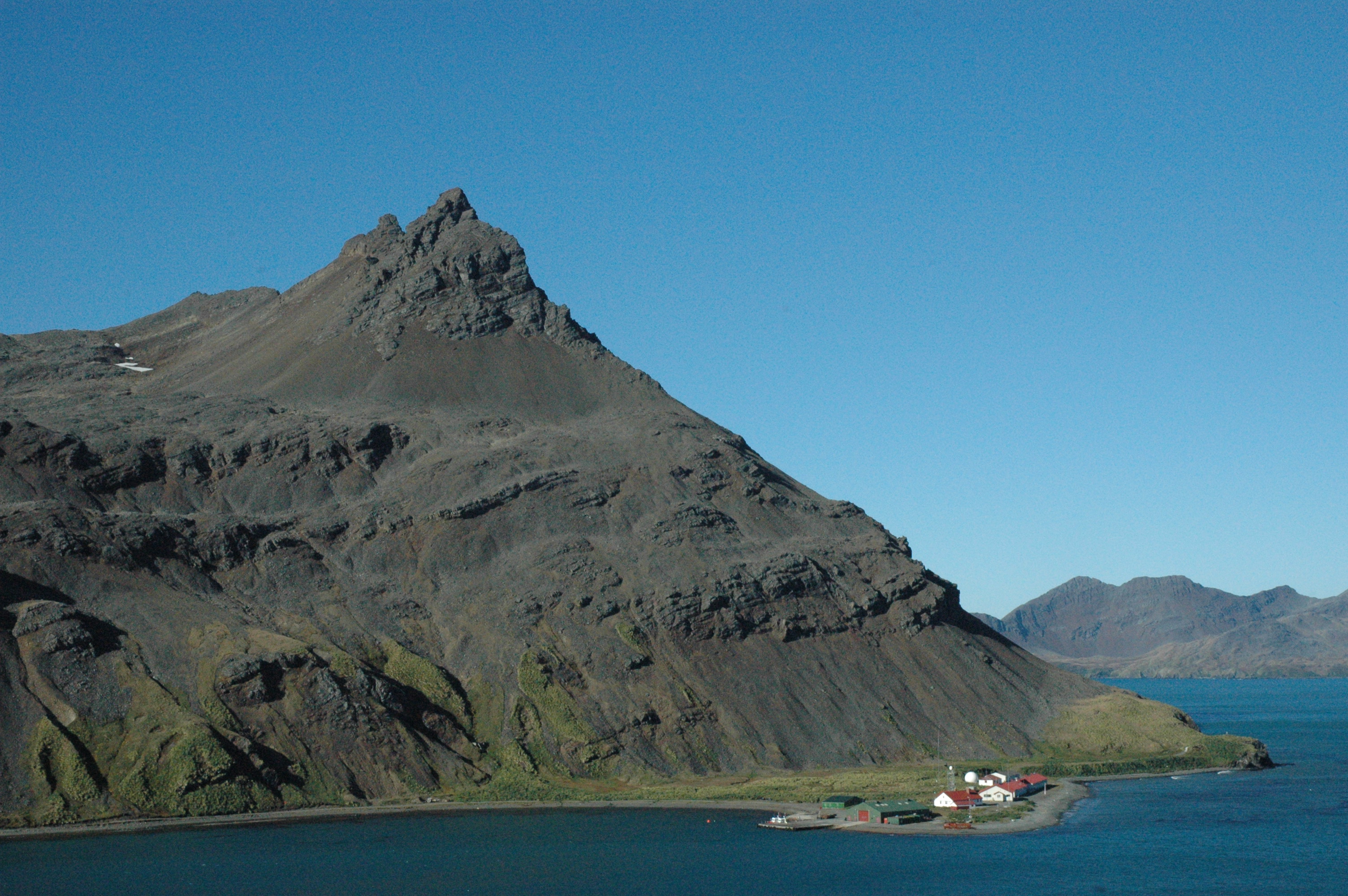
 I continued
my botanical sideline at KEP, with Ali, the Base Commander, showing me the
alien invader – Wavy bittercress (Cardamine flexuosa), which is spreading quite
rapidly round the station. In all I
found 42 different plants in the area, around half
of which have been introduced from the
I continued
my botanical sideline at KEP, with Ali, the Base Commander, showing me the
alien invader – Wavy bittercress (Cardamine flexuosa), which is spreading quite
rapidly round the station. In all I
found 42 different plants in the area, around half
of which have been introduced from the
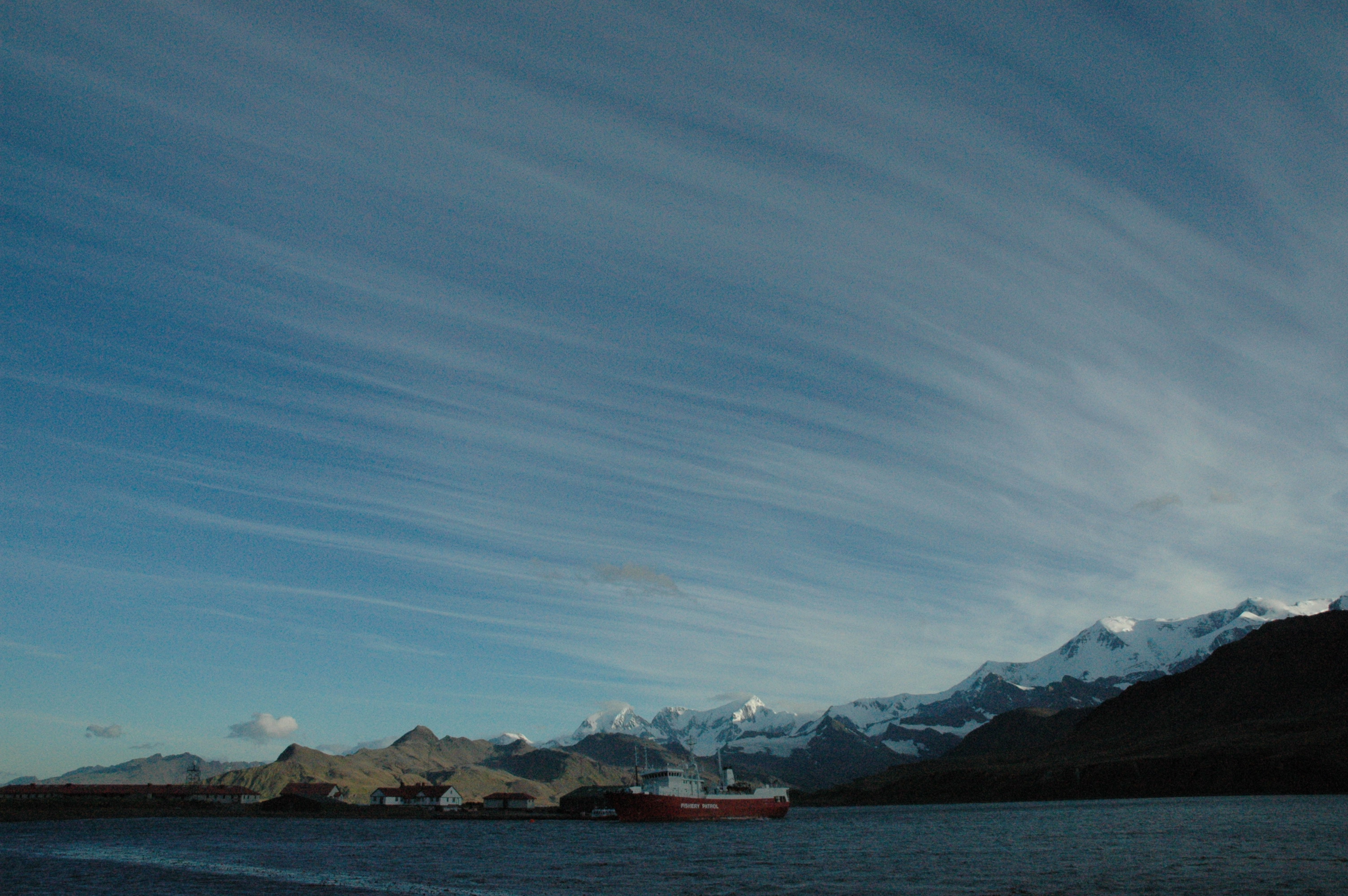
 Life on
Shackleton soon settled down, but we encountered a force 8 storm, which kept most people
in their
Life on
Shackleton soon settled down, but we encountered a force 8 storm, which kept most people
in their
 bunks.
I started off doing the met observations, but as we have five observers on board
I decided that a rota would be a good idea. Not that the observations take
very long - around half an hour 3 times a day. There isn't that much to do
on board, apart from "gash" once every ten days or so, and "scrubout"
for Captain's inspection once a week. This has left me time to get on with
several pending tasks (such as updating this page) and dealing with a large
backlog of emails. We visited Signy Island to close down the station for
the winter, then headed for Cape Geddes to inspect a landing site.
Visibility was too poor to see anything, so we slowly steamed for the Falkland
Islands.
bunks.
I started off doing the met observations, but as we have five observers on board
I decided that a rota would be a good idea. Not that the observations take
very long - around half an hour 3 times a day. There isn't that much to do
on board, apart from "gash" once every ten days or so, and "scrubout"
for Captain's inspection once a week. This has left me time to get on with
several pending tasks (such as updating this page) and dealing with a large
backlog of emails. We visited Signy Island to close down the station for
the winter, then headed for Cape Geddes to inspect a landing site.
Visibility was too poor to see anything, so we slowly steamed for the Falkland
Islands.
 We
arrived at
Mare Harbour on March 18th. We had a day here, which I spent wandering aro
We
arrived at
Mare Harbour on March 18th. We had a day here, which I spent wandering aro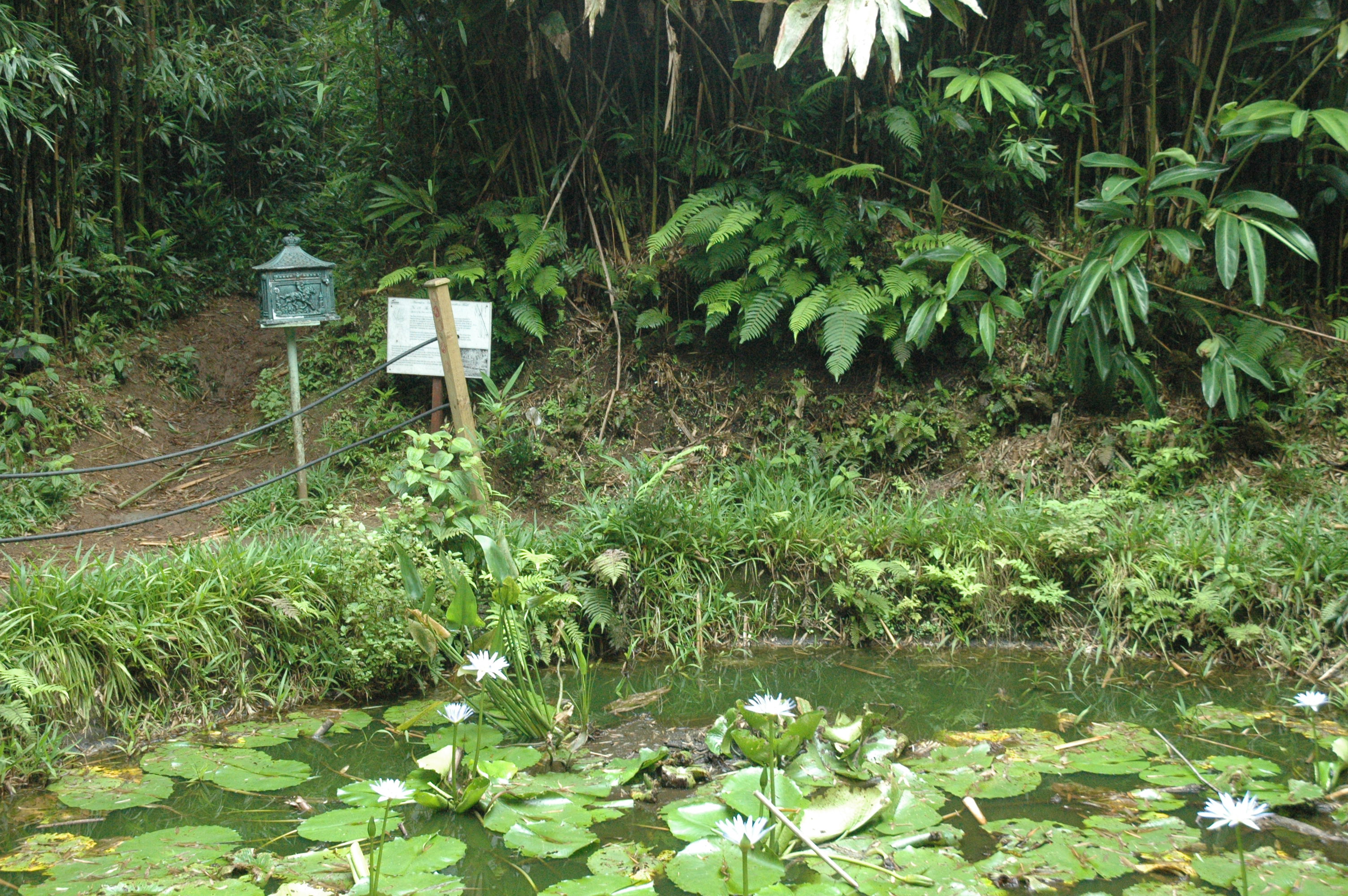 und a peninsula to the south of East Cove
looking
for plants. I found one that I'd been asked to keep an eye out for (Rumex
magellanicus or Southern dock) and also found what might be a new native species
for the island (Limosella aquatica, a mudwort). The next day we were taken
by bus to Stanley for a couple of days at the Goose Hotel. On the final
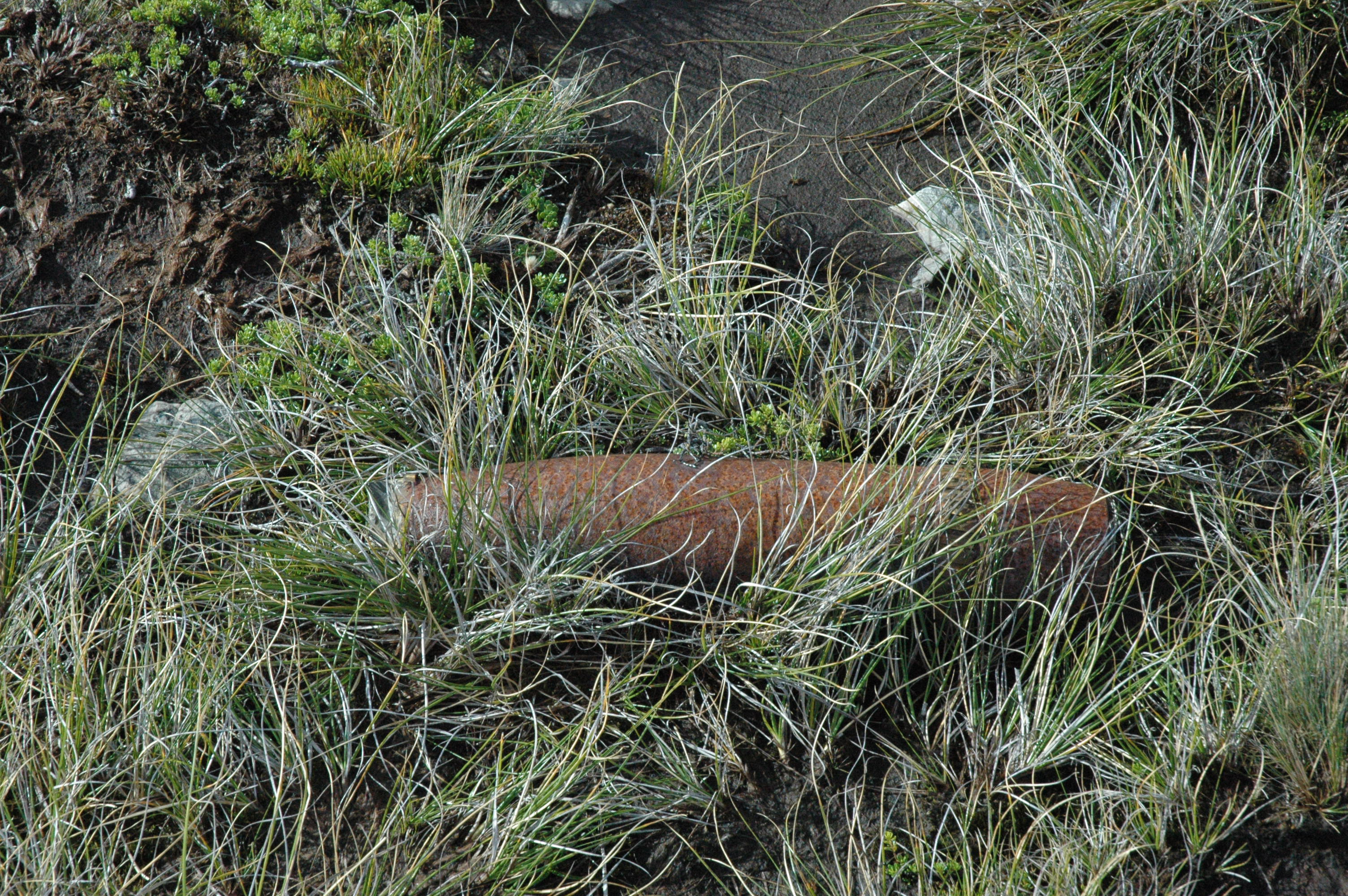
day I crossed the Murrell River by wading across and found a small bomb near
Drunken Rock.
und a peninsula to the south of East Cove
looking
for plants. I found one that I'd been asked to keep an eye out for (Rumex
magellanicus or Southern dock) and also found what might be a new native species
for the island (Limosella aquatica, a mudwort). The next day we were taken
by bus to Stanley for a couple of days at the Goose Hotel. On the final
day I crossed the Murrell River by wading across and found a small bomb near
Drunken Rock.
 As I wasn't
due to fly north with BAS until March 25th, I arranged with the local travel
agents to f
As I wasn't
due to fly north with BAS until March 25th, I arranged with the local travel
agents to f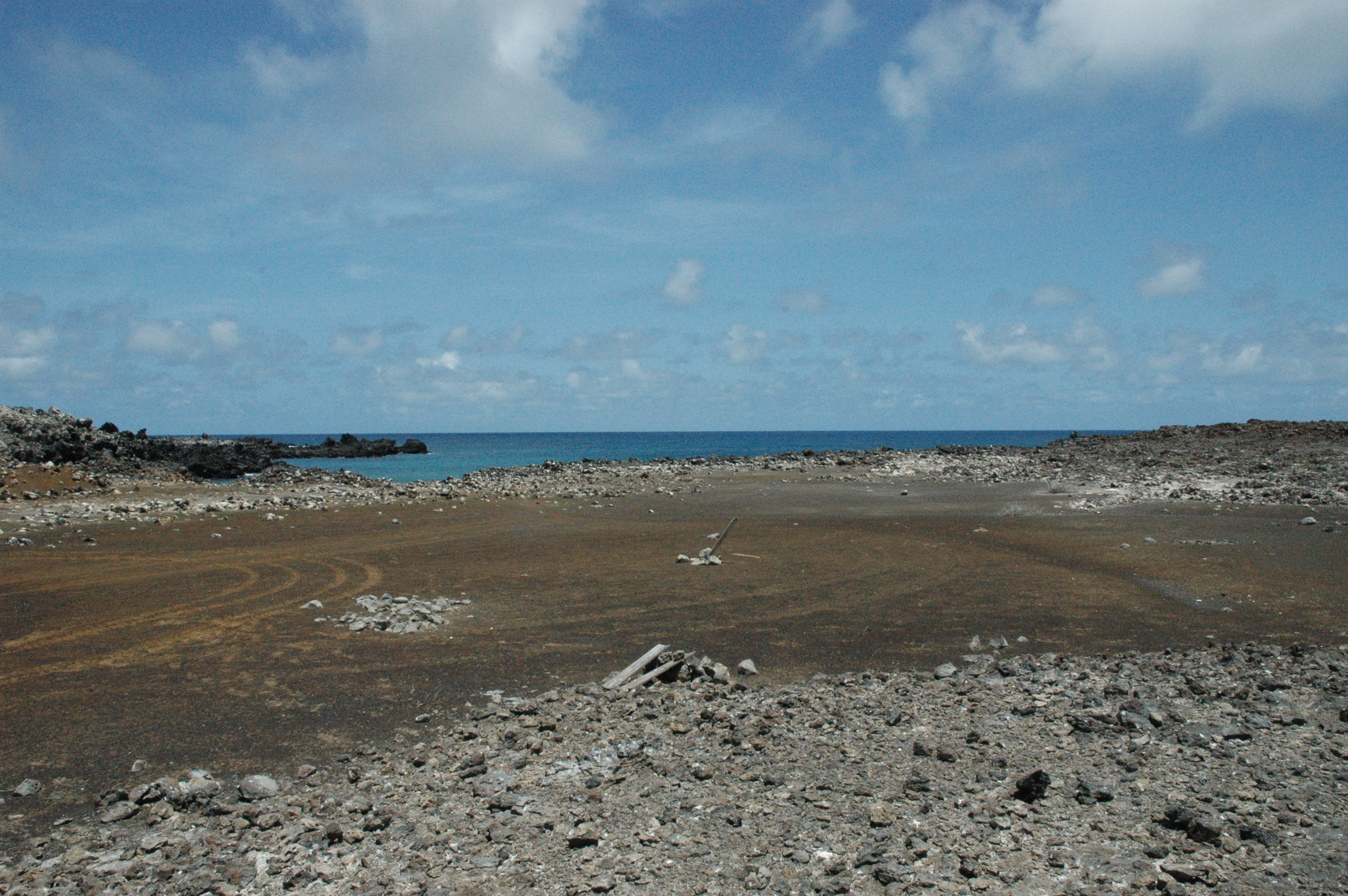 ly to Ascension Island on March 21st and spent four days on this
tropical island. It was baking hot, with temperatures in the high
twenties. I hired a car and drove out to Green Mountain, the highest spot
on the island, which is mostly in cloud and has a quite different climate.
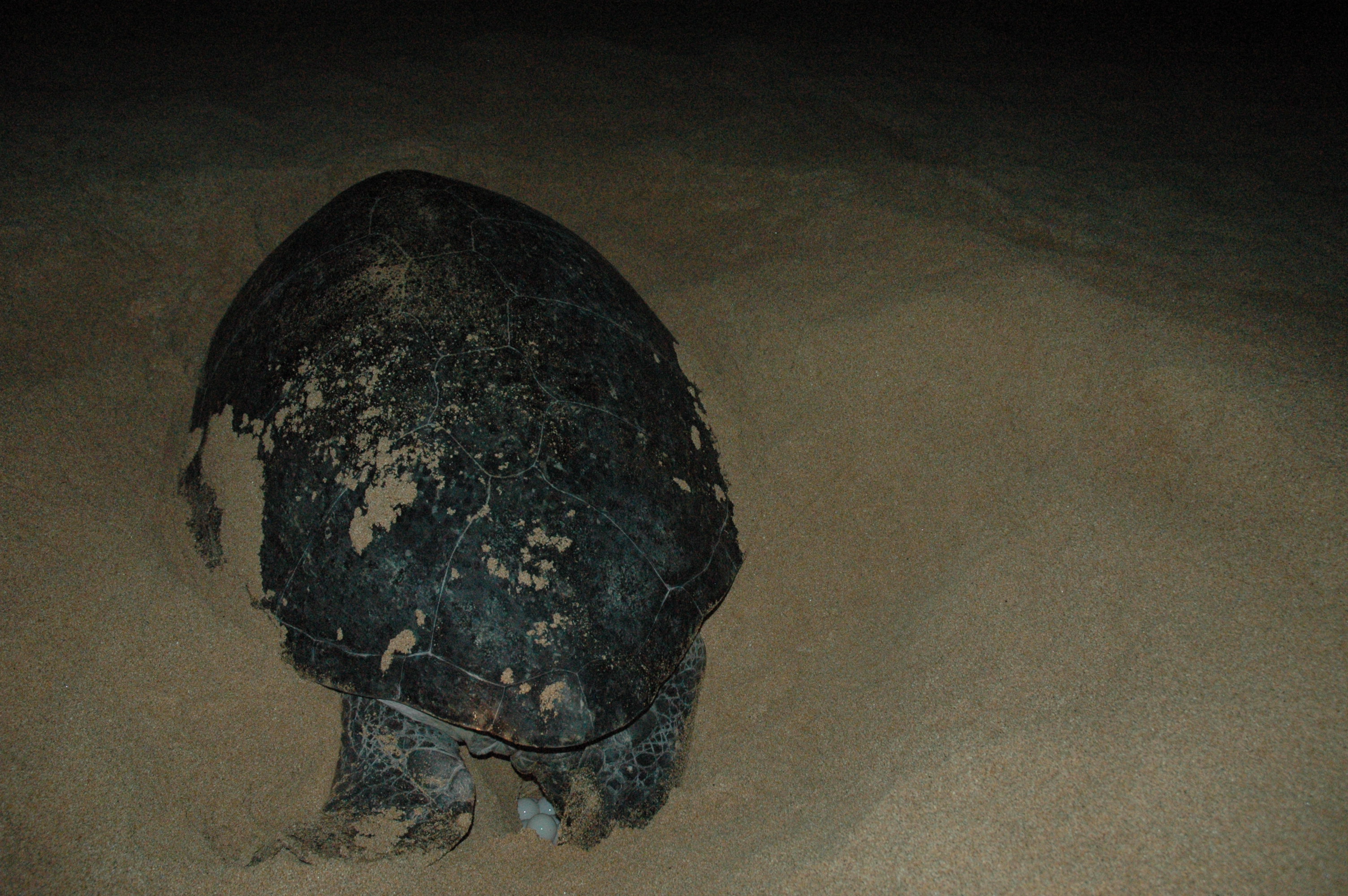
One evening I joined the turtle tour and saw a turtle laying eggs, and also lots
of hatchlings. One objective that I set myself was to see the six endemic
plants in the wild. Five occur on Green Mountain and I found four quite
easily, with another on display as part of a conservation scheme. This was
quite hard to find in the wild, but with some help from the
ly to Ascension Island on March 21st and spent four days on this
tropical island. It was baking hot, with temperatures in the high
twenties. I hired a car and drove out to Green Mountain, the highest spot
on the island, which is mostly in cloud and has a quite different climate.
One evening I joined the turtle tour and saw a turtle laying eggs, and also lots
of hatchlings. One objective that I set myself was to see the six endemic
plants in the wild. Five occur on Green Mountain and I found four quite
easily, with another on display as part of a conservation scheme. This was
quite hard to find in the wild, but with some help from the 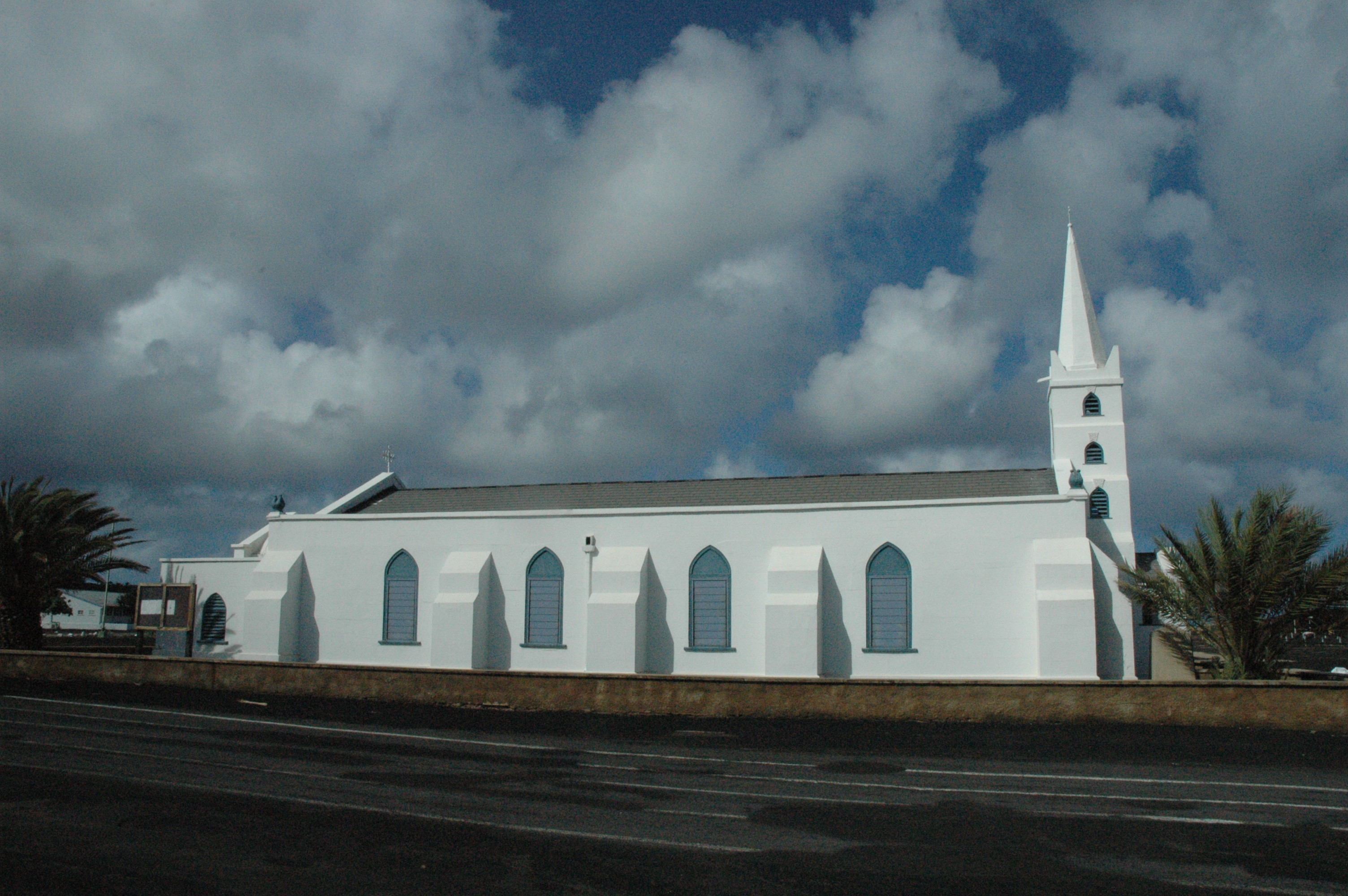 Conservation office
I managed it. The final one grows on the coastal plain, so I combined a
trip to M
Conservation office
I managed it. The final one grows on the coastal plain, so I combined a
trip to M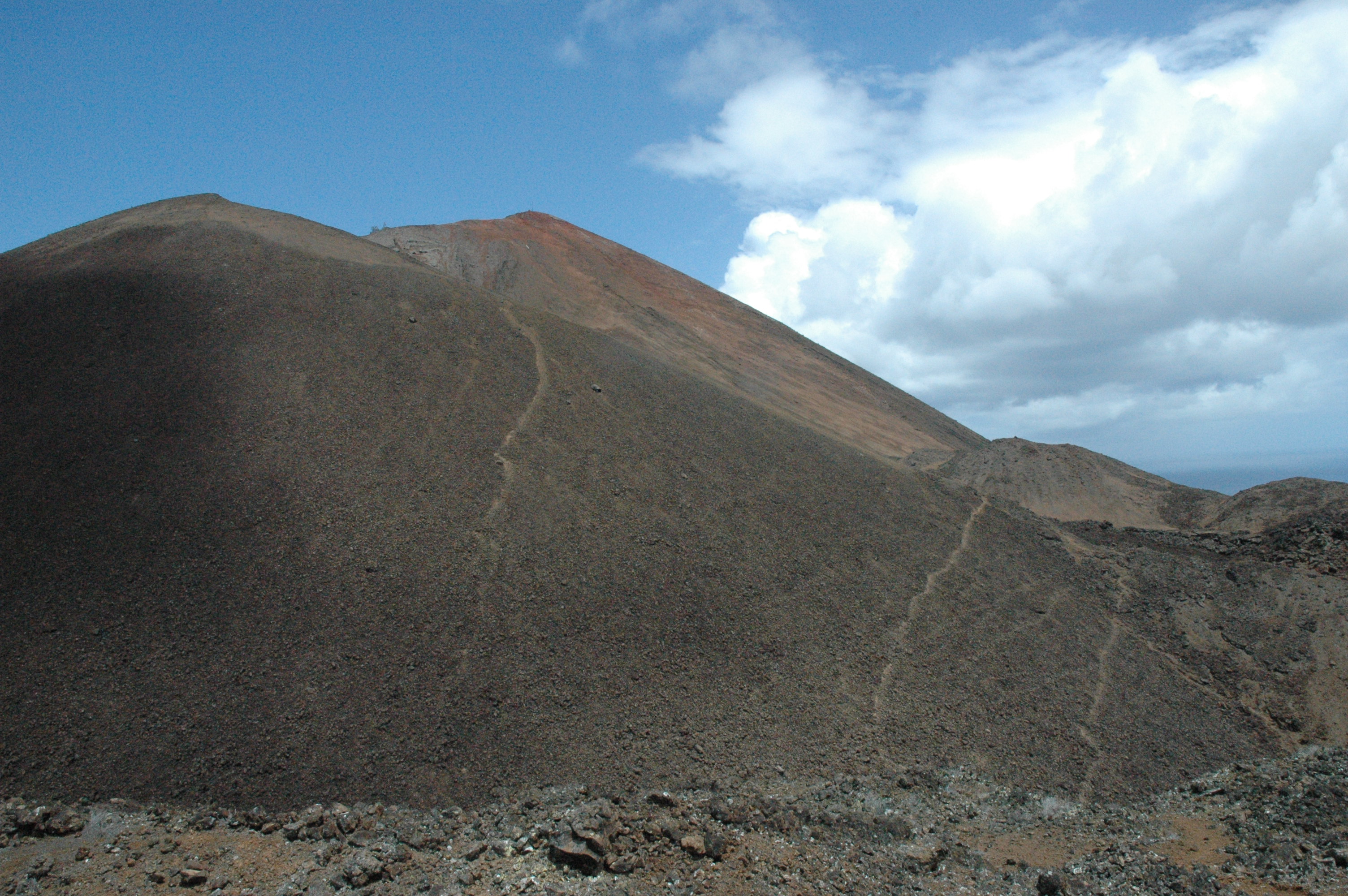 ars Bay, where Gill had measured
the solar parallax during a close
opposition of Mars in 1877, with a hunt for it. After a couple of
kilometres walk to the beach and back in searing heat I hadn't found it, and was
on the point of giving up when I spotted it barely a hundred metres from the
car. I took photos of many of the plants I saw and compiled them into a compendium. All too soon it was time to leave and join the BAS group for the
return to the UK.
ars Bay, where Gill had measured
the solar parallax during a close
opposition of Mars in 1877, with a hunt for it. After a couple of
kilometres walk to the beach and back in searing heat I hadn't found it, and was
on the point of giving up when I spotted it barely a hundred metres from the
car. I took photos of many of the plants I saw and compiled them into a compendium. All too soon it was time to leave and join the BAS group for the
return to the UK.
|
Jonathan Shanklin |
Updated 2006 May 16 |